Understanding Attrities: Causes and Solutions
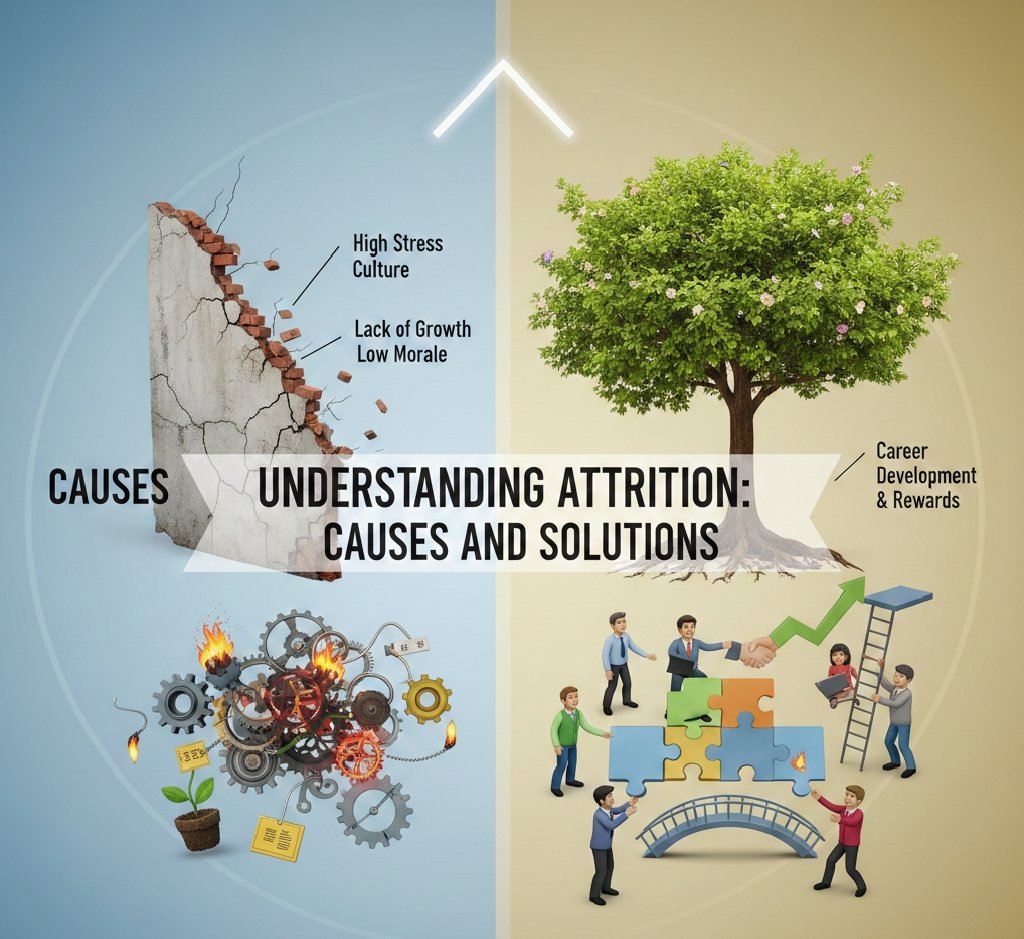
In many industries and organizations, one term frequently arises when discussing workforce efficiency and operational challenges: attrities. While it might sound technical or niche, understanding attrities is crucial for managers, team leaders, and business owners aiming to maintain high performance and reduce unnecessary losses. This article explores what attrities are, the common causes, their impacts, and practical solutions to address them.
What Are Attrities?
The term attrities generally refers to the gradual reduction of personnel, resources, or material due to various factors. In a workplace context, it is most often associated with employee turnover, where staff members leave an organization either voluntarily or involuntarily. However, attrities can also apply to other fields, such as manufacturing or military operations, where equipment, materials, or troops decrease over time.
Understanding attrities is more than just tracking numbers. It requires analyzing patterns and identifying underlying causes to prevent losses that could affect productivity, profitability, and morale.
Common Causes of Attrities
Attrities do not occur randomly. They are often the result of identifiable and sometimes preventable factors. Some of the most common causes include:
1. Job Dissatisfaction
Employee dissatisfaction is a primary driver of attrities. This can stem from limited career growth opportunities, lack of recognition, uncompetitive compensation, or poor working conditions. When employees feel undervalued or stagnant in their roles, they are more likely to seek opportunities elsewhere.
2. Poor Management
Management style and leadership play a critical role in retaining talent. Micromanagement, inconsistent feedback, lack of communication, or failure to support employee development can push employees toward leaving. Even highly skilled individuals may depart if they feel unsupported or mismanaged.
3. Work-Life Imbalance
Modern professionals increasingly value balance between work and personal life. Organizations that demand excessive hours or fail to provide flexible schedules risk higher attrition rates. Burnout is a real consequence of ignoring employees’ needs for personal time, leading to both resignation and reduced productivity.
4. Organizational Change
Significant changes within a company, such as restructuring, mergers, or policy shifts, can trigger attrities. Employees may feel uncertain about their future, lose trust in leadership, or struggle to adapt to new roles and expectations, prompting them to leave.
5. Skill Mismatch
Sometimes, employees are hired without a proper match between their skills and job requirements. This mismatch can lead to frustration, underperformance, and eventual turnover. Ensuring that employees are well-suited for their roles is essential to minimizing attrities.
6. Competitive Opportunities
In highly competitive industries, talented employees often receive multiple offers. Companies that fail to offer competitive compensation, benefits, or career growth opportunities may lose their top performers to rivals.
Impacts of Attrities
Attrities have a ripple effect throughout organizations. Some key impacts include:
- Increased Costs: Recruiting, hiring, and training replacements can be expensive. High attrition rates inflate operational costs significantly.
- Knowledge Loss: Departing employees take their experience and expertise with them, which can disrupt workflows and reduce institutional knowledge.
- Lower Morale: Frequent turnover can create a sense of instability among remaining staff, lowering morale and engagement.
- Reduced Productivity: Constant onboarding and re-training cycles reduce overall team efficiency.
- Customer Satisfaction: High attrition in customer-facing roles can affect service quality and client relationships.
Organizations must recognize that attrities are not just statistics—they have tangible consequences on performance and growth.
Strategies to Reduce Attrities
Reducing attrities requires proactive management and thoughtful organizational policies. Here are some effective strategies:
1. Improve Employee Engagement
Engaged employees are less likely to leave. Regularly seek feedback, recognize achievements, and involve employees in decision-making. Providing meaningful work and a sense of purpose enhances loyalty.
2. Offer Competitive Compensation and Benefits
Ensure salaries, bonuses, and benefits are competitive within the industry. Offering health benefits, retirement plans, and performance incentives can motivate employees to stay longer.
3. Foster Career Development
Opportunities for training, promotion, and skill enhancement reduce attrition by showing employees that growth is possible within the organization. Mentorship programs and clear career pathways are especially effective.
4. Cultivate Strong Leadership
Invest in leadership development programs to equip managers with skills in communication, empathy, and team management. Employees leave managers, not companies, so strong leadership is crucial.
5. Promote Work-Life Balance
Flexible schedules, remote work options, and wellness initiatives help employees maintain a healthy balance, reducing burnout and turnover. A supportive work environment is a powerful retention tool.
6. Monitor and Analyze Attrition Trends
Regularly review turnover metrics to identify patterns. Exit interviews, surveys, and performance data provide insights into why employees leave and which areas require improvement.
7. Enhance Recruitment Practices
Hire candidates whose skills, values, and work styles align with the organization’s culture. Proper onboarding and role clarity help new hires integrate successfully, reducing early attrition.
Conclusion
Attrities, while often seen as an unavoidable aspect of organizational life, can be understood, managed, and minimized. By identifying causes, analyzing trends, and implementing thoughtful strategies, organizations can reduce losses, retain talent, and maintain high performance. Awareness and proactive management of attrities ultimately lead to a more stable, engaged, and productive workforce, benefiting both employees and the organization.
Understanding attrities is not just about preventing loss it’s about building resilience, fostering growth, and creating a work environment where people want to stay and contribute.




Post Comment