Spaietacle Trends: 2026 Predictions for Immersive Design
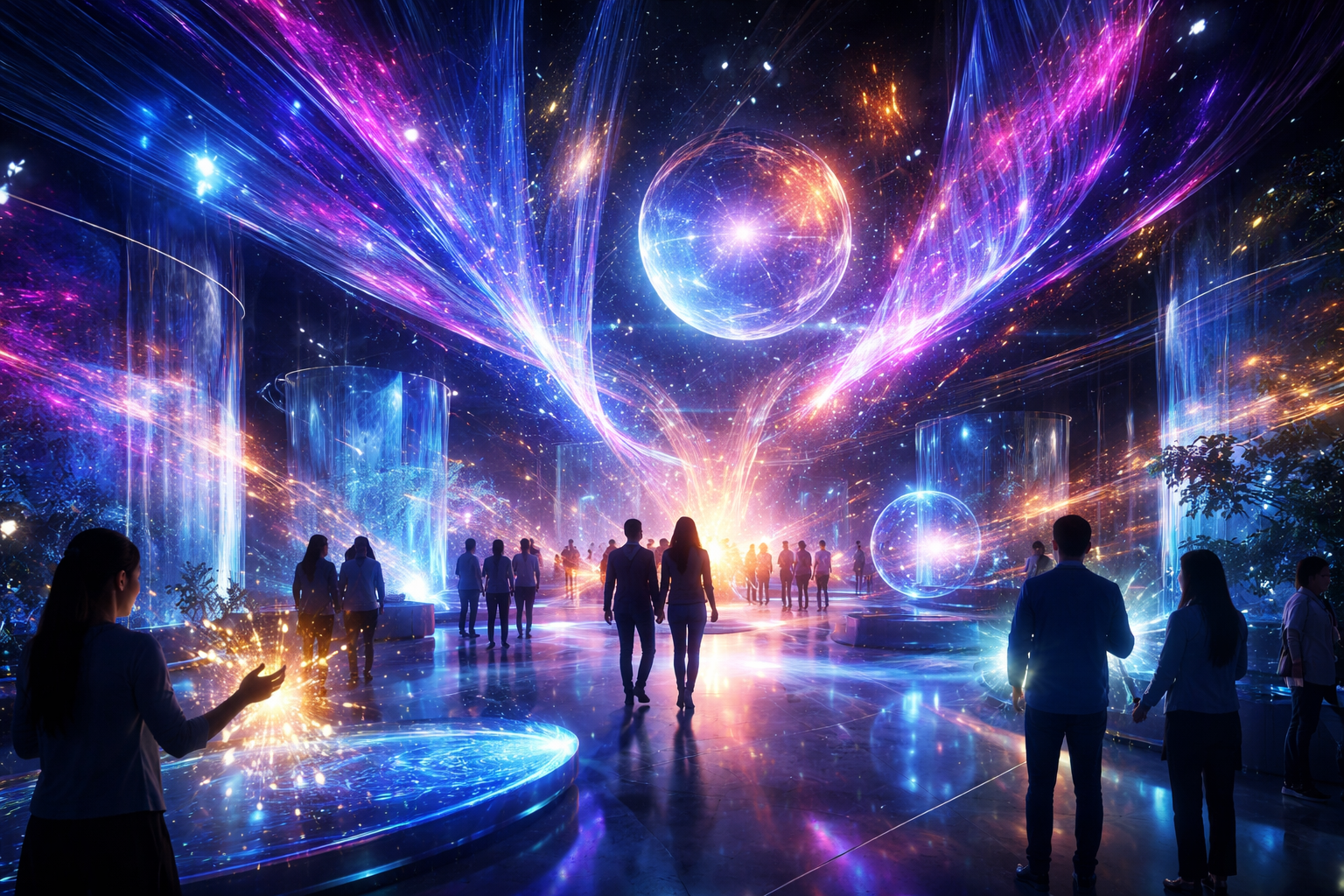
In today’s rapidly evolving world of design and entertainment, spaietacle — the fusion of space and spectacle has emerged as a defining concept in immersive experiences. Unlike traditional formats that encourage passive observation, spaietacle places participants at the center, transforming how audiences engage with art, culture, education, and commercial environments. In 2026, this approach is set to move from novelty to mainstream, reshaping design, storytelling, and public interaction.
Immersive Design Is Redefining Experience
At its core, spaietacle combines three key elements: space, spectacle, and innovation. Space goes beyond the physical venue to become part of the experience itself. Spectacle delivers rich sensory engagement through visuals, sound, motion, and interaction. Innovation ensures these elements work cohesively, creating environments that are dynamic, adaptive, and memorable.
Imagine walking through a gallery where the walls respond to your movement, or a public plaza where lighting and sound shift in real time based on visitor flow. These are environments that react to and evolve with their audience, turning observers into active participants.
Technology as the Driving Force
Technology continues to expand the possibilities for immersive design. Several innovations are reshaping how spaietacles are created and experienced:
- Augmented and Mixed Reality: These tools overlay digital content onto physical spaces, enhancing environments without separating participants from reality. Museums, concerts, and educational spaces can now combine live elements with digital storytelling, creating fully interactive narratives.
- Spatial Audio and Haptics: Sound and touch are no longer limited to single points. Spatial audio delivers sound that moves with the participant, while haptic feedback introduces a tangible dimension, making experiences more engaging and emotionally resonant.
- Adaptive Personalization: Intelligent systems adjust environments in real time based on participant behavior or emotional cues. This creates unique experiences for each visitor, ensuring deeper engagement and stronger personal connection.
Hybrid and Multi-Platform Experiences
By 2026, spaietacle design is increasingly hybrid, blending physical and digital spaces. Visitors may attend an exhibition in person while remote participants engage through VR or AR platforms, each experiencing tailored interactions. This multi-platform approach aligns with modern lifestyles, where people seamlessly navigate between physical and digital realms.
Transforming Education and Training
Immersive environments are revolutionizing learning. Classrooms and training centers now offer hands-on, experiential learning where students can explore complex subjects firsthand. Biology students may “walk through” a life-sized human bloodstream, and engineering trainees can manipulate virtual machinery as if it were real. Such environments improve retention, spark curiosity, and turn abstract concepts into tangible understanding.
Evolving Cultural Spaces
Museums, galleries, and cultural institutions are embracing spaietacle strategies that merge storytelling, technology, and audience participation. Exhibits may adjust based on visitor movement, with soundscapes, lighting, and interactive elements responding dynamically. Visitors co-create the experience, deepening engagement and fostering lasting connections with art and culture.
Innovating Brand Engagement and Retail
Spaietacle strategies are transforming how brands connect with audiences. Immersive environments allow consumers to engage with products and narratives in ways traditional marketing cannot achieve. Retail spaces are becoming interactive playgrounds, using dynamic lighting, sound, and AR elements to enhance the customer journey. This approach builds emotional resonance, increases brand recall, and encourages meaningful interaction.
Urban Spaces as Immersive Environments
The influence of spaietacle extends to public spaces and urban design. Cities are integrating interactive installations into plazas, parks, and transit hubs. Lighting, sound, and environmental features respond to human activity, weather, and time of day, turning ordinary urban environments into memorable, engaging experiences that enrich daily life.
Sustainability and Accessibility
Leading spaietacle projects prioritize sustainability and accessibility. Designers are incorporating energy-efficient technologies, minimizing resource use, and ensuring that immersive experiences are inclusive. This approach not only broadens audience participation but also reflects responsible and ethical design practices.
Conclusion: A Cultural Shift in Immersive Design
Spaietacle is redefining what it means to experience art, culture, and public spaces. By combining space, sensory engagement, and innovative design, these experiences transform audiences from passive observers into active participants. In 2026, spaietacle will continue to influence education, entertainment, branding, urban design, and cultural engagement, creating immersive environments that leave lasting impressions and redefine how people connect with their surroundings.



Post Comment