What “Servantful” Means in Leadership and Everyday Life
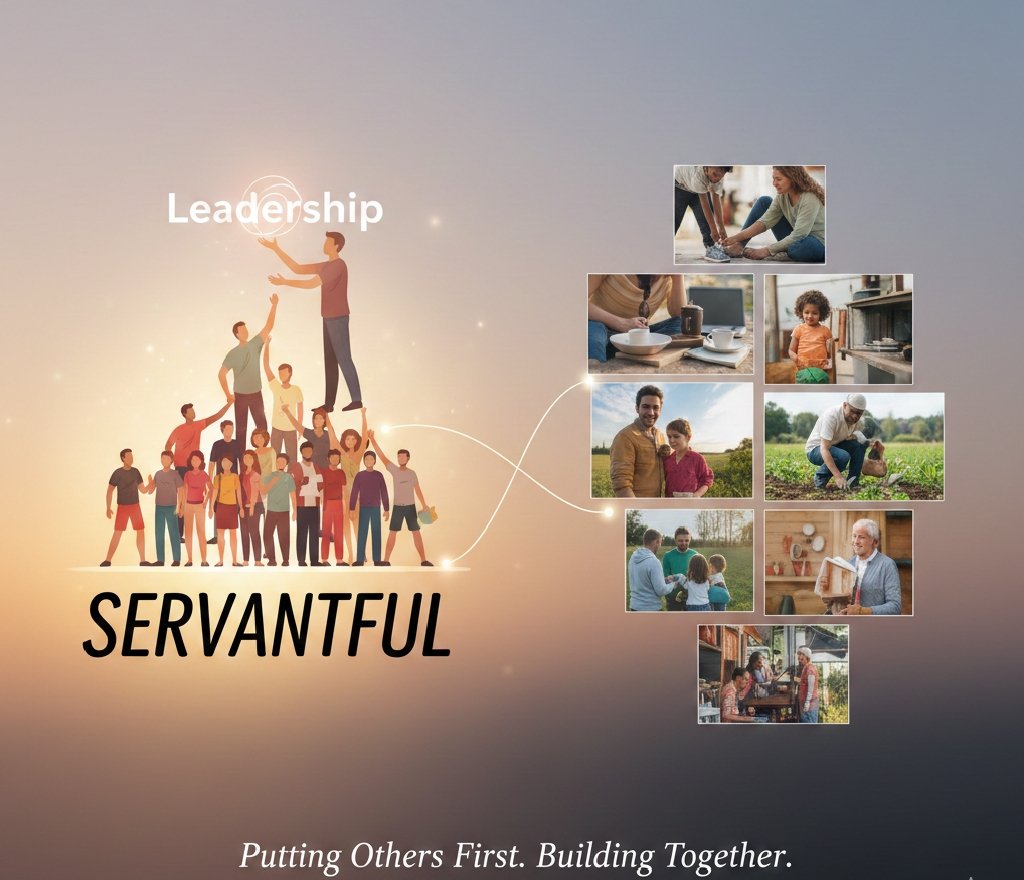
In a world increasingly focused on results, profits, and personal advancement, the concept of being “servantful” offers a refreshing perspective on leadership and human interaction. The term “servantful” refers to an approach in which individuals prioritize the needs, growth, and well-being of others while still maintaining effectiveness in their own roles. Rooted in the philosophy of servant leadership, being servantful is not merely a professional strategy it is a way of life that fosters empathy, collaboration, and enduring influence.
The Origins of Servant Leadership
The idea of servantful behavior in leadership is closely tied to the philosophy of servant leadership, popularized by Robert K. Greenleaf in the 1970s. Greenleaf observed that the most effective leaders were those who sought to serve first, rather than exercise authority or power. Unlike traditional leadership models that prioritize hierarchy and control, servant leadership emphasizes listening, empathy, stewardship, and the development of others.
Servantful leadership goes beyond the mere execution of tasks; it involves creating an environment where team members feel valued, understood, and empowered. A servantful leader sees success not solely in personal achievement, but in the growth and well-being of those they lead.
Core Principles of Being Servantful
- Empathy and Active Listening
Being servantful starts with genuine empathy. Leaders and individuals who practice servantfulness make a conscious effort to understand others’ perspectives, feelings, and challenges. This involves active listening—giving others the space to speak, acknowledging their concerns, and responding thoughtfully. In everyday life, this principle fosters stronger personal relationships and helps resolve conflicts more constructively. - Prioritizing Others’ Needs
Servantful individuals focus on the needs of others before their own. This does not mean neglecting self-care or personal responsibilities; rather, it involves consciously considering how actions affect colleagues, family members, or community members. In leadership, this can translate to ensuring employees have the resources, support, and guidance necessary to succeed. - Commitment to Growth
A hallmark of servantful leadership is the commitment to personal and professional growth—both one’s own and that of others. Leaders who embody this principle invest in coaching, mentoring, and training their team members. In everyday life, being servantful might involve helping a friend develop a skill, guiding a younger family member, or volunteering time to educate others. - Humility and Accountability
Servantful people exhibit humility by acknowledging their limitations and valuing the contributions of others. They do not seek recognition for serving but rather understand that true leadership is measured by impact, not accolades. Accountability is closely linked: servantful individuals take responsibility for their actions and decisions, setting a standard for integrity and trustworthiness. - Creating a Positive Environment
Whether in the workplace or in daily interactions, being servantful involves cultivating a culture of respect, inclusion, and encouragement. Such environments empower people to share ideas, collaborate openly, and innovate without fear of judgment or failure.
Servantfulness in the Workplace
In professional settings, servantful leadership can transform organizational culture and performance. Research consistently shows that leaders who focus on serving their teams tend to have higher employee engagement, lower turnover rates, and improved morale. Teams under servantful leaders report feeling more trusted, motivated, and connected to the organization’s mission.
A practical example is a manager who takes the time to understand the challenges faced by team members, provides constructive feedback, and actively supports professional development opportunities. By prioritizing employees’ growth and well-being, such a leader fosters loyalty, enhances performance, and builds a resilient team capable of navigating challenges.
Moreover, servantful leadership encourages collaboration over competition. When leaders model behaviors such as active listening, humility, and empathy, these qualities tend to permeate the organization. Teams become more cohesive, communication improves, and innovative problem-solving becomes the norm.
Servantfulness in Everyday Life
Beyond the workplace, servantfulness can enrich personal relationships and community life. It manifests in simple acts: helping a neighbor in need, listening without judgment to a friend’s struggles, or mentoring someone who is seeking guidance. These actions, while small individually, collectively cultivate trust, respect, and stronger social bonds.
Being servantful in daily life also promotes emotional intelligence. By prioritizing the perspectives and feelings of others, individuals develop greater self-awareness, patience, and adaptability. These skills are invaluable not only in relationships but also in navigating complex social and professional environments.
Challenges and Misconceptions
Despite its benefits, adopting a servantful approach is not without challenges. One common misconception is that serving others equates to being passive or submissive. On the contrary, servantful leadership requires courage, decisiveness, and often the ability to set boundaries. It is about balancing care for others with strategic action.
Another challenge is consistency. Being genuinely servantful demands sustained effort and self-reflection. Leaders and individuals must continuously evaluate their motivations, ensuring that service is authentic rather than performative or strategic manipulation.
The Lasting Impact of Servantfulness
The ultimate value of being servantful lies in its enduring influence. Servantful leaders leave a legacy not through power or wealth, but through the people they uplift and the positive cultures they foster. In personal life, the ripple effects of servantful behavior can strengthen families, friendships, and communities, creating networks of mutual support and trust.
In essence, servantfulness redefines success. It shifts the focus from self-centered achievement to relational impact and ethical responsibility. Those who adopt this approach often find that by giving to others, they cultivate deeper satisfaction, meaning, and resilience in their own lives.
Conclusion
Being servantful is both an art and a discipline. It requires empathy, humility, accountability, and a genuine desire to enrich the lives of others. In leadership, it transforms teams and organizations into collaborative, empowered communities. In everyday life, it strengthens relationships and builds trust. In a world frequently driven by competition and individualism, embracing a servantful approach offers a powerful pathway to meaningful, sustainable influence. True servantfulness reminds us that leadership and life are not about being served but about the enduring impact we leave through service.




Post Comment