Cadibara Facts: World’s Largest Rodent Explained
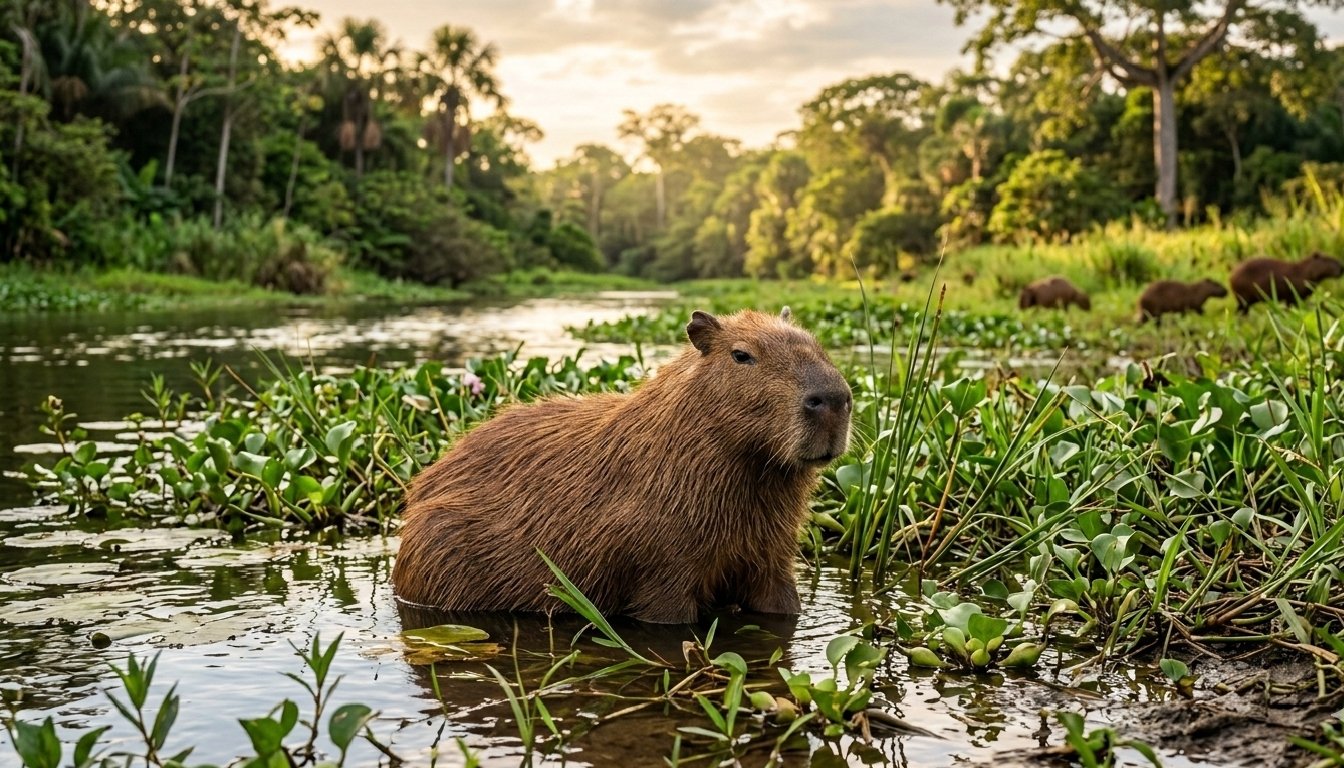
The cadibara, more correctly spelled capybara, is one of the most fascinating animals on Earth. Known scientifically as , this remarkable creature holds the title of the largest rodent in the world. Native to South America, the cadibara is famous for its calm personality, semi-aquatic lifestyle, and unusual ability to peacefully coexist with many other species.
In recent years, the name “cadibara” has become popular online as a playful variation of “capybara,” especially in memes and viral videos. Regardless of spelling, the animal behind the name is the same gentle giant that has captured hearts around the globe.
What Is a Cadibara?
The cadibara is a large, barrel-shaped rodent that belongs to the family Caviidae, which also includes guinea pigs. Despite the family connection, cadibaras are dramatically larger than their smaller relatives.
Adult cadibaras typically measure about 3.5 to 4.5 feet (1 to 1.3 meters) in length and stand around 2 feet (60 cm) tall at the shoulder. They can weigh anywhere between 70 and 150 pounds (35 to 70 kilograms), with females often being slightly heavier than males.
Their bodies are perfectly adapted for life near water. They have:
- Webbed feet for swimming
- Eyes, ears, and nostrils positioned high on their heads
- Thick, coarse fur that dries quickly
- Strong teeth that grow continuously
These traits make them exceptional semi-aquatic mammals.
Natural Habitat and Distribution
Cadibaras are native to South America and can be found in nearly every country on the continent except Chile. Large populations live in Brazil, Venezuela, Colombia, Argentina, and Paraguay.
They prefer habitats close to water, such as:
- Rivers
- Lakes
- Swamps
- Marshes
- Flooded grasslands
Water is essential to their survival. Not only does it help them regulate body temperature in hot climates, but it also provides protection from predators. When threatened, cadibaras can dive underwater and remain submerged for up to five minutes.
Diet and Feeding Habits
Cadibaras are strict herbivores. Their diet mainly consists of:
- Grasses
- Aquatic plants
- Fruits
- Tree bark
They are grazing animals and can spend several hours a day feeding. Like many herbivores, cadibaras practice a behavior called coprophagy, meaning they re-eat certain feces to extract maximum nutrients from plant material. While this may sound unusual, it is a natural and important digestive process for them.
Their strong front teeth continuously grow, which helps them handle tough vegetation. Constant grazing naturally keeps their teeth worn down.
Social Behavior: The Ultimate Chill Animal
One of the most remarkable aspects of cadibaras is their social nature. They are highly social animals and typically live in groups of 10 to 20 individuals, although larger groups can form during the dry season.
Within these groups, there is usually:
- One dominant male
- Several adult females
- Young cadibaras
- Subordinate males
Cadibaras communicate through a variety of sounds, including whistles, barks, clicks, and purrs. These vocalizations help maintain group cohesion and alert others to danger.
Their calm temperament has earned them a reputation as the “most relaxed animal in the world.” Images and videos frequently show cadibaras peacefully sitting beside birds, monkeys, turtles, and even predators. This tolerance has contributed to their massive popularity online.
Relationship With Other Animals
Cadibaras are known for their peaceful interactions with other species. Birds often perch on their backs to pick insects from their fur. Monkeys have been observed sitting beside them, and turtles sometimes share riverbanks without conflict.
However, in the wild, they are also prey animals. Natural predators include:
- Jaguars
- Anacondas
- Caimans
- Large birds of prey
Despite these threats, their group living strategy increases their chances of survival. With multiple eyes and ears alert, they can quickly escape into water when necessary.
Reproduction and Lifespan
Female cadibaras usually give birth once a year after a gestation period of about five months. A typical litter includes three to eight babies, though larger litters are possible.
Newborn cadibaras are surprisingly independent. Within hours of birth, they can:
- Walk
- Swim
- Eat grass
However, they continue nursing for several weeks. The entire group often helps protect and supervise the young.
In the wild, cadibaras typically live around 8 to 10 years. In captivity, with proper care, they can sometimes live slightly longer.
Conservation Status
According to conservation assessments, is currently classified as a species of Least Concern. This means their population remains stable in most regions.
However, they still face certain challenges, including:
- Habitat destruction
- Hunting for meat and hide
- Expansion of agriculture
In some areas, cadibaras are hunted for their meat, which is considered a delicacy. Their skin is also used to produce leather products. While these practices are regulated in certain countries, habitat loss remains an ongoing concern.
Why Cadibaras Became Internet Icons
In recent years, cadibaras have become global internet sensations. Their calm expressions, relaxed posture, and seemingly friendly nature have turned them into meme stars.
Videos often show cadibaras:
- Sitting peacefully in hot springs
- Allowing birds to stand on them
- Sharing space with other animals
- Remaining calm in unusual situations
This viral fame has increased global interest in wildlife conservation and introduced millions of people to South American ecosystems.
Unique Adaptations
Several features make cadibaras especially unique:
- Semi-Aquatic Lifestyle – Few rodents are as comfortable in water.
- High-Set Facial Features – They can remain mostly submerged while still breathing and observing.
- Efficient Digestion – Their specialized digestive system extracts maximum nutrients from grass.
- Strong Social Bonds – Cooperation increases survival rates.
These adaptations have allowed them to thrive for thousands of years in wetland environments.
Final Thoughts
The cadibara is far more than just an internet meme. As the world’s largest rodent, it represents a fascinating example of adaptation, social intelligence, and ecological balance.
From its semi-aquatic abilities to its peaceful group dynamics, the cadibara demonstrates how specialized traits can lead to evolutionary success. Whether seen grazing along a South American riverbank or relaxing in a viral video, this gentle giant continues to inspire curiosity and admiration.
Understanding the cadibara reminds us that even the most unexpected animals can play a vital role in maintaining the health of ecosystems. And sometimes, the calmest creatures make the biggest impression.




Post Comment