Anonib Explained: Anonymous Browsing Made Simple
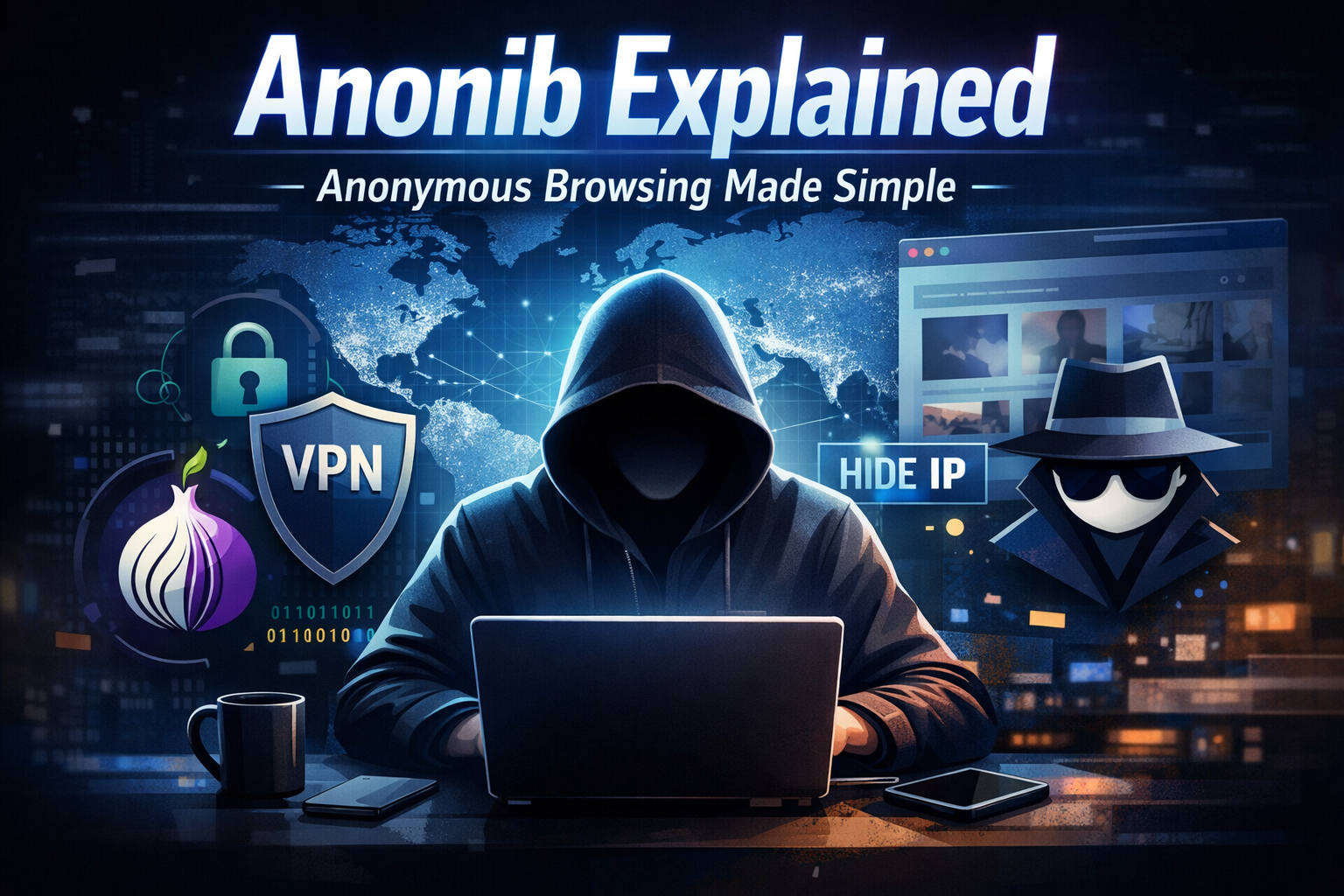
In an age where digital footprints are tracked, stored, analyzed, and sometimes exploited, online anonymity has become a growing concern for many internet users. From targeted advertising to data breaches and surveillance, people are increasingly looking for ways to browse without exposing personal information. One name that often appears in discussions about anonymous image boards and browsing communities is Anonib.
This article explores what Anonib is, how anonymous browsing works, the risks involved, and best practices for protecting your privacy online.
What Is Anonib?
Anonib is known as an anonymous image board platform where users can post and view content without creating traditional user accounts. Like many anonymous boards, it has historically organized discussions by geographic regions or specific topics. The core concept behind such platforms is simple: users can participate without revealing their identity.
Unlike mainstream social media platforms that require verified accounts, emails, or phone numbers, anonymous boards operate with minimal barriers to entry. This lack of identity verification is what attracts users seeking privacy but it also raises important concerns about moderation, legality, and safety.
It’s important to understand that anonymity on the surface does not automatically guarantee true privacy. There is a major difference between “not showing your name” and being technically untraceable.
How Anonymous Browsing Actually Works
When people talk about anonymous browsing, they often mean one of three things:
- Browsing without logging into accounts
- Preventing websites from tracking personal information
- Hiding their IP address and physical location
Anonib-style platforms focus primarily on the first point: no required accounts. However, true anonymous browsing requires more technical protection.
Here’s how online tracking generally works:
- Every device connected to the internet has an IP address.
- Websites log visitor IP addresses by default.
- Browsers store cookies that track activity.
- Internet Service Providers (ISPs) can see traffic activity.
- Device fingerprints can identify unique systems.
Even if a platform does not require registration, backend servers can still log IP addresses unless specific privacy protections are used.
Why People Seek Anonymous Platforms
There are several motivations behind anonymous browsing:
1. Privacy Protection
Many users simply do not want their activity connected to their real identity.
2. Free Expression
Anonymous spaces allow people to share opinions without fear of social backlash.
3. Avoiding Data Harvesting
Large platforms collect behavioral data for advertising and analytics.
4. Research or Sensitive Topics
Some users research controversial or sensitive topics and prefer discretion.
However, anonymity can be a double-edged sword.
The Risks of Anonymous Image Boards
While anonymity can empower free expression, it can also lead to misuse. Anonymous platforms sometimes face criticism for:
- Lack of moderation
- Harmful or illegal content
- Privacy violations
- Non-consensual image sharing
- Harassment
Because users are not tied to verified identities, accountability becomes more difficult to enforce. This creates legal and ethical challenges for both platform operators and users.
It is crucial to remember that being anonymous online does not exempt someone from legal responsibility. Law enforcement agencies can trace activity through IP logs, server records, and digital forensics when necessary.
Anonymous Browsing vs. Private Browsing Mode
A common misconception is that “Incognito Mode” or “Private Browsing” makes users anonymous. It does not.
Private browsing:
- Does not save history locally on your device
- Deletes cookies after the session
- Prevents auto-fill data storage
But it does NOT:
- Hide your IP address
- Stop websites from logging activity
- Prevent ISP tracking
- Make you invisible online
True anonymity requires additional tools beyond private browser modes.
Tools That Improve Online Anonymity
If someone wants stronger privacy while browsing, they typically use combinations of:
VPN (Virtual Private Network)
A VPN hides your IP address by routing traffic through a secure server.
Tor Browser
The Tor network routes traffic through multiple encrypted layers, making tracking significantly more difficult.
Privacy-Focused Browsers
Browsers like Brave or Firefox with hardened privacy settings reduce tracking.
Tracker Blockers
Extensions that block cookies, scripts, and fingerprinting.
Encrypted DNS
Prevents certain types of ISP-level tracking.
Even with these tools, complete anonymity is extremely difficult to guarantee. Digital privacy is about risk reduction, not invisibility.
Legal and Ethical Considerations
Before participating in anonymous platforms, it’s essential to consider:
- Is the content legal in your jurisdiction?
- Does the platform moderate harmful behavior?
- Could participation damage your reputation if exposed?
- Are you respecting others’ privacy and consent?
The internet may feel anonymous, but digital evidence can persist indefinitely.
Best Practices for Safer Anonymous Browsing
If privacy is your goal, here are safer strategies:
- Use a reputable VPN with a no-logs policy.
- Consider using the Tor Browser for higher anonymity.
- Disable unnecessary browser extensions.
- Avoid logging into personal accounts during anonymous sessions.
- Clear cookies and cache regularly.
- Avoid downloading unknown files.
- Be cautious about sharing personal details even small ones.
- Understand local laws regarding online content.
Remember: anonymity protects you, but responsible behavior protects everyone.
The Bigger Picture: Digital Privacy in 2026
Online privacy concerns are growing worldwide. Governments are introducing new data regulations, companies are tightening moderation policies, and cybersecurity threats are evolving.
Anonymous platforms like Anonib reflect a broader tension between:
- Free expression
- Privacy rights
- Public safety
- Content moderation
Some users value the freedom of anonymous communities. Others worry about the potential for abuse. The debate is ongoing and unlikely to disappear.
Final Thoughts
Anonib represents a model of online interaction built around anonymity. While the idea of browsing and posting without revealing your identity may sound simple, true anonymity requires a deeper understanding of how internet tracking works.
Anonymous browsing is not just about hiding mariano iduba it involves managing IP addresses, cookies, device fingerprints, and server logs. And even then, complete invisibility is nearly impossible.
If you choose to engage with anonymous platforms, prioritize safety, legality, and ethical responsibility. The internet may feel like a place without consequences, but digital footprints are more persistent than many people realize.
In the end, anonymity is a tool. How it’s used determines whether it protects privacy — or creates problems.



Post Comment