Calamariere Cuisine: A New Squid Dish Trend
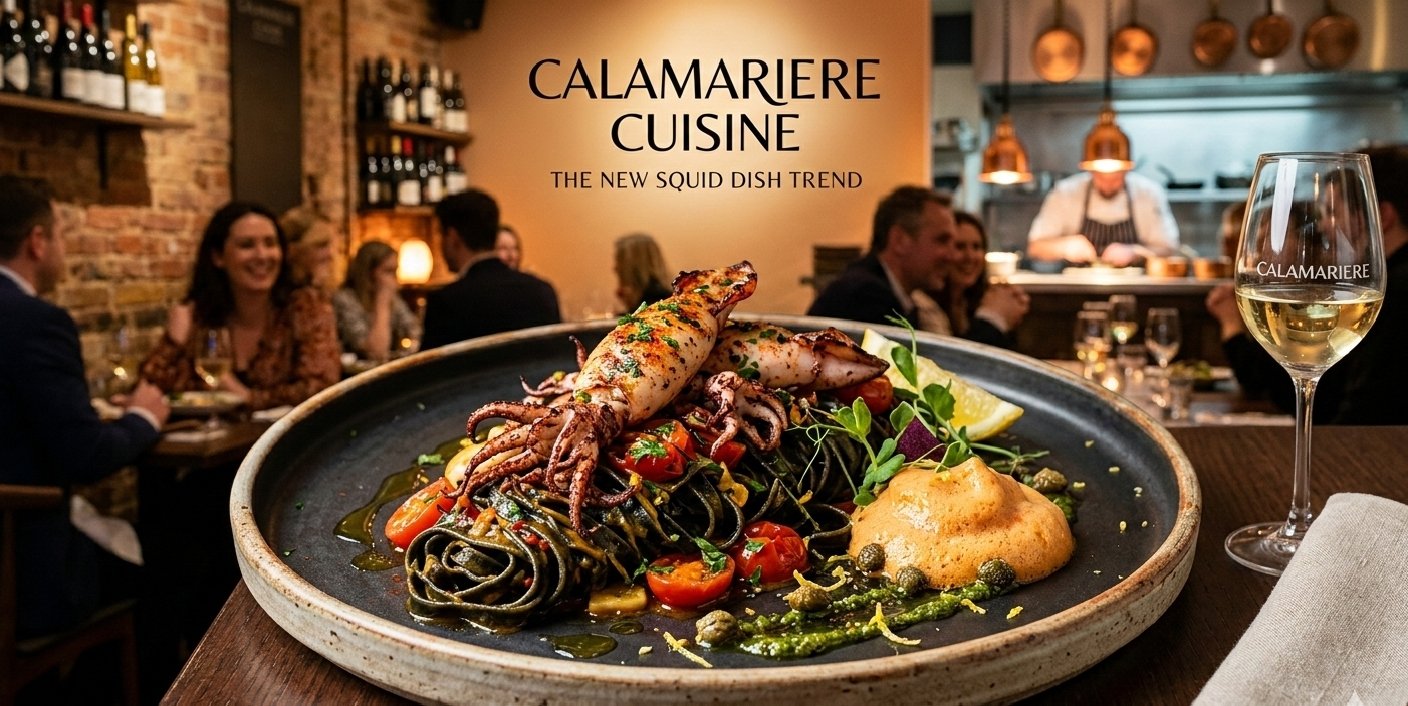
In the ever-evolving world of gastronomy, new food trends emerge from the blending of tradition, creativity, and cultural storytelling. One of the most intriguing rising concepts is Calamariere cuisine a refined, modern interpretation of squid dishes that elevates humble seafood into an artisanal culinary experience. While rooted in the long-standing popularity of calamari, Calamariere represents more than fried rings on a plate. It reflects craftsmanship, innovation, and a renewed respect for sustainable seafood.
The Origins Behind the Trend
Squid has been a staple ingredient across coastal cultures for centuries. From the Mediterranean shores of and to the vibrant seafood markets of , squid appears in countless traditional dishes. Classic preparations such as calamari fritti, grilled squid, and stuffed squid have long been cherished for their delicate flavor and versatility.
Calamariere cuisine builds upon these foundations but introduces a more refined philosophy. The term itself suggests artistry similar to how a “fromagier” specializes in cheese or a “chocolatier” in chocolate. A Calamariere is envisioned as a specialist in squid cuisine, someone who understands sourcing, preparation, flavor pairing, and presentation at a high level.
Rather than treating squid as a casual appetizer, Calamariere cuisine repositions it as the star of the table.
What Makes Calamariere Different?
Traditional calamari often focuses on simplicity: lightly battered and fried squid served with marinara or aioli. While delicious, this approach can overshadow the ingredient’s subtle sweetness and tender texture. Calamariere cuisine shifts the emphasis toward:
1. Technique and Precision
Squid can easily become rubbery if overcooked. Mastery of temperature and timing is essential. Calamariere chefs explore multiple cooking techniques flash-searing, sous vide, charcoal grilling, slow braising, and even raw preparations in controlled settings.
2. Elevated Flavor Pairings
Instead of heavy sauces, modern interpretations lean toward balanced profiles: citrus zest, fennel pollen, smoked paprika, fermented chili pastes, or herb-infused oils. The goal is to enhance, not mask, the natural oceanic notes.
3. Textural Exploration
Beyond rings and tentacles, Calamariere cuisine highlights different cuts and presentations paper-thin squid carpaccio, finely diced squid tartare, or stuffed squid tubes layered with grains and herbs.
4. Visual Presentation
Plating becomes artistic. Charred tentacles might be arranged over a purée of roasted peppers, drizzled with emerald-green herb oil, and garnished with microgreens. The experience becomes multisensory.
Global Inspirations
Although the concept is modern, Calamariere cuisine draws heavily from international culinary heritage.
In , grilled squid served with lemon and olive oil exemplifies simplicity done right. In , squid stews combine tomatoes, wine, and herbs for deep comfort flavors. Meanwhile, in , spicy stir-fried squid (ojingeo bokkeum) showcases bold, fiery notes.
Calamariere cuisine absorbs these traditions while adapting them for contemporary palates. For example, a Mediterranean-style grilled squid might be paired with Asian-inspired pickled vegetables, creating a cross-cultural harmony.
Sustainability at the Core
Another driving force behind this trend is sustainability. Compared to many large fish species, squid populations are generally resilient and reproduce quickly. This makes squid a more environmentally responsible seafood option when harvested responsibly.
Chefs embracing Calamariere cuisine often emphasize traceability sourcing squid from fisheries that use ethical methods and avoid overexploitation. By promoting squid as a premium dish, the movement also encourages appreciation for underutilized seafood, easing pressure on overfished species.
The Rise in Fine Dining
In recent years, high-end restaurants have begun spotlighting squid in tasting menus. Rather than relegating it to appetizers, chefs feature it as a centerpiece protein. Charcoal-grilled squid with black garlic emulsion, squid ink risotto topped with crispy tentacles, or delicate squid sashimi with citrus pearls all reflect Calamariere ideals.
Food media and social platforms have amplified this aesthetic. Diners are drawn to visually striking dishes jet-black squid ink sauces contrasted against bright herbs, or elegantly plated tentacles with dramatic char marks. As diners seek novel experiences, Calamariere cuisine delivers both familiarity and surprise.
Cooking Calamariere at Home
While the term may sound gourmet, home cooks can adopt its principles without professional training. The key lies in mindful preparation.
Start with fresh squid. Look for a mild ocean scent and firm flesh. Clean thoroughly, removing the beak and innards.
Cook quickly or slowly—but never in between. Squid thrives when flash-cooked for under two minutes or braised for 30 minutes or more. Anything in the middle risks toughness.
Experiment with global flavors. Try marinating squid in olive oil, garlic, and lemon zest before grilling. Or sauté it briefly with chili flakes and finish with fresh parsley and a squeeze of lime.
Use squid ink creatively. It adds briny depth to pasta, rice, or sauces, offering dramatic color and rich flavor.
By focusing on ingredient quality, balanced seasoning, and careful timing, anyone can bring Calamariere sophistication to their own kitchen.
Cultural Symbolism and Identity
Interestingly, Calamariere cuisine also reflects a broader cultural shift. In an era where culinary identities are celebrated, specialization signals dedication and expertise. Just as sommeliers elevate wine service, the Calamariere concept suggests a chef deeply committed to mastering a single ingredient.
This specialization aligns with modern diners’ curiosity. Consumers increasingly value stories behind their food—where it was sourced, how it was prepared, and why it matters. Squid, once considered modest street fare, now carries a narrative of sustainability, artistry, and global connection.
The Future of Calamariere Cuisine
Food trends are cyclical, but those grounded in quality and sustainability tend to endure. Calamariere cuisine has the potential to evolve further through:
- Plant-forward pairings that integrate squid into vegetable-driven menus
- Fusion interpretations combining Latin American, Mediterranean, and Asian influences
- Innovative preservation methods such as curing or fermentation
- Interactive dining experiences focused on seafood education
As chefs continue exploring ocean-friendly ingredients, squid stands poised to become a symbol of modern seafood innovation.
Final Thoughts
Calamariere cuisine is more than a fleeting trend it represents a culinary mindset. It honors traditional squid dishes while pushing boundaries through technique, flavor, and presentation. By elevating squid from casual appetizer to refined centerpiece, this movement celebrates both craftsmanship and conscious eating.
For adventurous food lovers, Calamariere cuisine offers a delicious invitation: rediscover a familiar ingredient in bold, imaginative ways. Whether enjoyed in a fine dining restaurant or prepared thoughtfully at home, squid’s transformation into an artisanal specialty reflects the creativity shaping today’s global food culture.
As diners continue seeking authenticity, sustainability, and artistry on their plates, Calamariere cuisine may well define the next chapter of seafood excellence.




Post Comment