Discover the Best Works of Cesta Roman in History
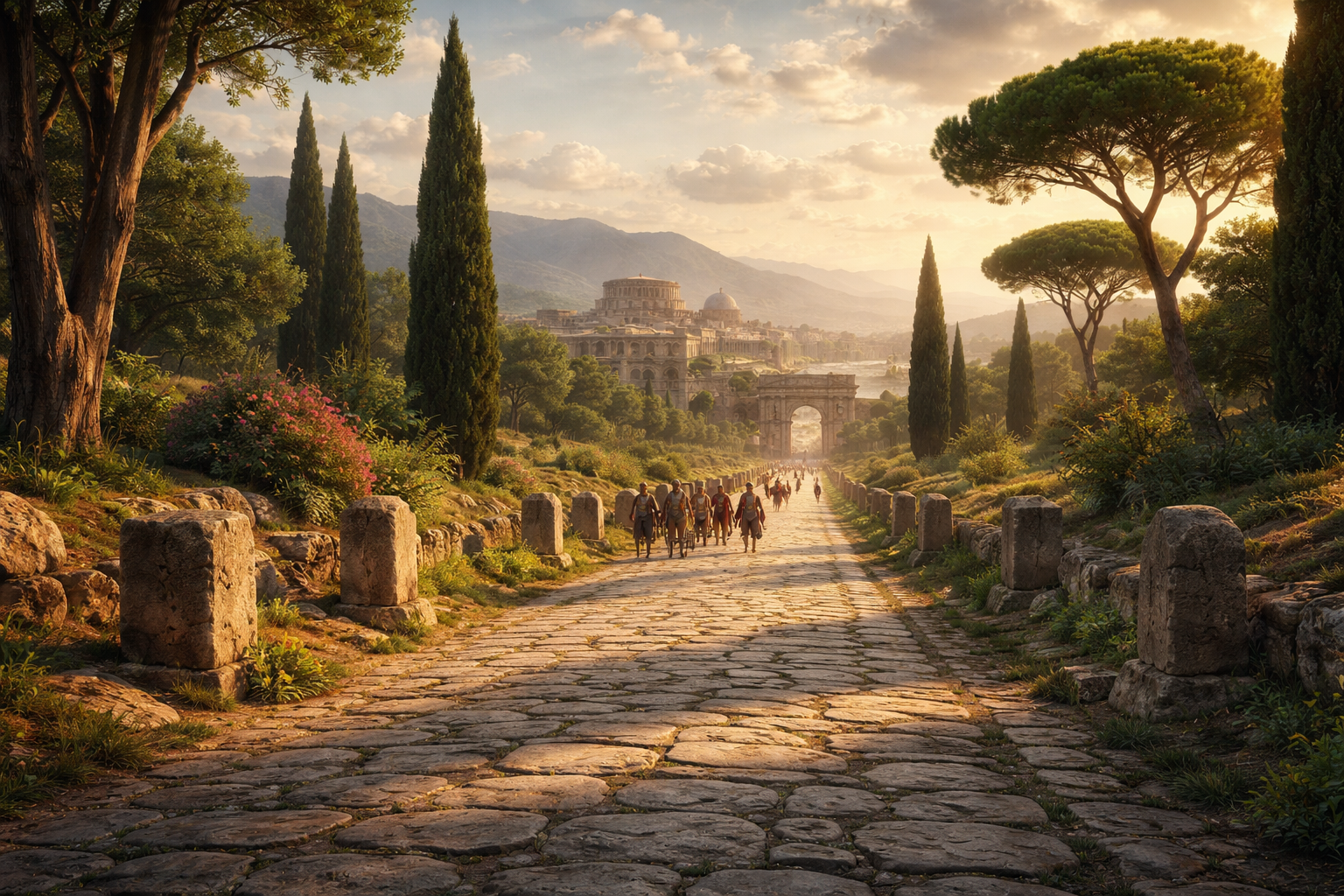
The term Cesta Roman evokes the grandeur of ancient Rome and its remarkable achievements in infrastructure. At its heart, it refers to the network of Roman roads, which connected cities, towns, and distant provinces across Europe, North Africa, and Asia. These roads were more than just pathways—they were a lifeline of the empire, shaping military strategy, trade, communication, and culture in ways that are still felt today.
Origins: The Purpose Behind Cesta Roman
From the Republic to the Empire, Roman leaders understood that strong connections were essential for power. Roads allowed legions to move swiftly, enabled efficient administration, and supported trade across vast distances. Where dirt tracks had once sufficed, Rome’s engineers designed durable roads built to last centuries.
Roman roads were often laid in straight lines, cutting through hills and valleys, which minimized travel time and made journeys more predictable. This precision in planning and construction showcased the Romans’ advanced engineering and strategic thinking.
Engineering Brilliance: Structure and Design
The Cesta Roman was built with multiple layers for strength and durability. First, engineers dug down to solid earth or bedrock. Large stones formed the foundation, topped with rubble mixed with lime or sand. Finally, tightly fitted paving stones created a smooth, resilient surface.
Drainage systems flanked each road to prevent water damage. Bridges and causeways were constructed as needed, making the network adaptable to diverse landscapes. This attention to detail ensured that Roman roads would endure for centuries and many still exist today.
Military Importance
Roman roads were essential for military efficiency. Troops could march quickly to border regions or conflict zones, and commanders could coordinate operations with unprecedented speed. The famous Via Appia, for example, allowed armies to move deep into southern Italy with remarkable efficiency.
These roads also included mile markers and standardized distances. The system of milia passuum, or a thousand paces, allowed for precise calculation of distances, which was crucial for military planning and logistics.
Economic Lifeline: Trade and Commerce
Beyond military use, Roman roads were the backbone of the empire’s economy. They allowed merchants to transport goods like olive oil, wine, metals, and grain across vast distances. Towns and markets flourished along major routes, and roadside inns and rest stops gradually developed into thriving settlements.
This network reduced transportation costs, improved delivery reliability, and enabled regional trade specialization. Provinces could exchange surplus goods, strengthening the empire’s economic cohesion.
Communication and Governance
Efficient roads also transformed communication. Before the Cesta Roman, messages and decrees took months to reach distant provinces. With this network, the cursus publicus Rome’s state-run postal system could deliver documents quickly, supporting administration and governance.
Relay stations along the roads allowed couriers to change horses and rest without delay. This infrastructure made the empire’s governance more effective and responsive than any prior civilization.
Legacy: Influence on Modern Infrastructure
The enduring impact of the Cesta Roman is evident even today. Many modern highways in Europe trace the routes first established by Roman engineers. Sections of original paving stones remain visible in Italy, France, Spain, and England, a testament to the durability of Roman construction techniques.
Civil engineers continue to study Roman methods for inspiration, learning from their approaches to drainage, layering, and long-term durability. Roman roads are not just historical relics they are living lessons in engineering excellence.
Cultural Significance
Roman roads also hold symbolic meaning. They represent progress, connectivity, and the transformative power of infrastructure. Writers and educators often use Roman roads as metaphors for journeys, growth, and cultural exchange, emphasizing how organized planning can shape societies.
Conclusion
The Cesta Roman stands as one of humanity’s greatest achievements. From military campaigns to commerce and communication, these roads shaped the Roman Empire and influenced future civilizations.
Today, the paths of Roman roads continue to guide travelers, reminding us of an enduring legacy. They are more than stone and mortar they are a connection between past and present, demonstrating that thoughtful infrastructure can change the course of history.




Post Comment