Ephads Regulations and Patient Rights Explained
Introduction
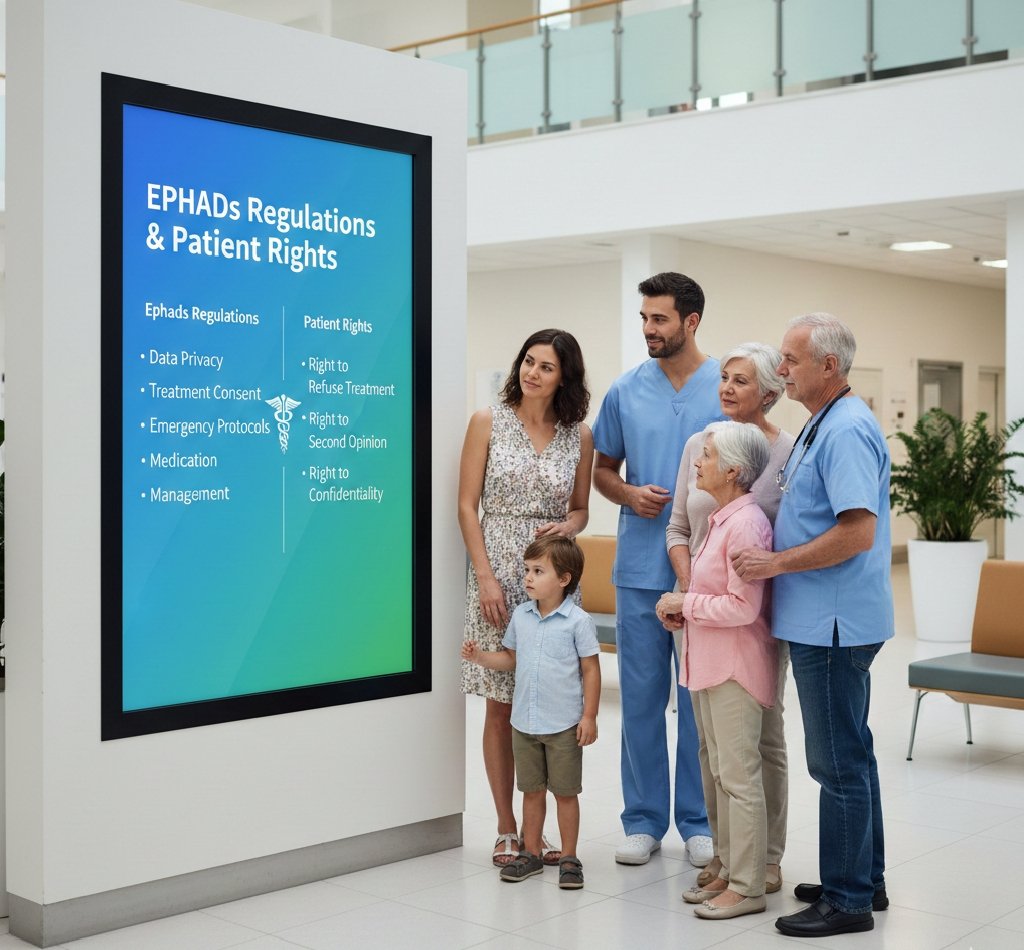
EHPADs (Établissements d’Hébergement pour Personnes Âgées Dépendantes) are specialized residential care facilities in France designed to support elderly individuals who require daily medical assistance and supervision. As populations age and demand for long-term care rises, the regulatory framework governing these institutions has become increasingly important. Regulations are intended not only to ensure quality of care but also to protect the dignity, autonomy, and fundamental rights of residents.
In recent years, public scrutiny, reforms, and inspections have strengthened oversight of EHPADs, highlighting the need for transparency, accountability, and respect for patient rights. This article provides a comprehensive overview of the regulatory environment and the key rights afforded to residents.
Regulatory Framework Governing EHPADs
EHPADs operate under a strict legal and administrative structure in France, overseen by health and social authorities. Facilities must comply with national laws, public health codes, and regional regulations, particularly those enforced by Regional Health Agencies (ARS). These bodies conduct inspections, evaluate compliance, and can impose sanctions or closures when serious deficiencies are identified.
Following major controversies in the sector, the government launched nationwide inspection programs to review care quality, safety practices, and management standards. By the end of 2024, the vast majority of facilities had undergone review, with some facing corrective measures or administrative penalties where problems were found.
Regulations cover areas such as:
- Staffing ratios and qualifications
- Medical care standards
- Hygiene and safety protocols
- Financial transparency
- Resident welfare and quality of life
These rules aim to ensure consistent care across both public and private institutions.
Licensing and Oversight
Before opening, an EHPAD must obtain authorization from public authorities, demonstrating its ability to meet infrastructure, staffing, and service requirements. Regular audits assess whether the facility continues to meet standards.
If inspections reveal serious failures such as neglect or unsafe conditions—authorities may impose sanctions, appoint temporary administrators, or close facilities altogether. This oversight mechanism is essential to maintaining trust and protecting vulnerable residents.
Core Patient Rights in EHPADs
1. Right to Dignity and Respect
Residents are entitled to be treated with respect regardless of their physical or cognitive condition. Care providers must uphold privacy, cultural preferences, and personal identity. Ethical guidelines emphasize person-centered care, ensuring that individuals are not reduced to medical cases but recognized as persons with histories and preferences.
2. Freedom of Movement and Autonomy
Freedom of movement is considered a fundamental right, though it must be balanced with safety considerations for residents with cognitive impairments. Ethical debates continue around locked units and security measures, highlighting the importance of respecting autonomy while preventing harm.
Facilities are expected to justify any restrictions and apply them proportionately.
3. Right to Visits and Social Life
Recent legislation has reinforced residents’ rights to maintain social connections. Residents are legally entitled to receive visitors of their choice and, in most cases, do not need prior authorization. Facilities may restrict visits only in exceptional circumstances related to safety or public health.
For individuals receiving palliative or end-of-life care, the right to daily visits is absolute, reflecting a commitment to compassionate care.
4. Right to Personal Choices Including Pets
Modern reforms recognize the importance of emotional well-being. Residents now have the legal right to keep pets, provided they can care for them and health regulations are respected. This reflects a broader shift toward holistic care that values emotional and psychological health alongside medical treatment.
5. Right to Information and Consent
Residents must be informed about their care plans, treatments, and any changes affecting their living conditions. Informed consent is required for medical interventions whenever possible. Families or legal representatives may be involved when residents cannot make decisions independently.
Transparency is a cornerstone of regulation, ensuring that residents and families understand services, fees, and care arrangements.
6. Right to Quality and Safety of Care
Regulations require facilities to provide adequate medical supervision, nutrition, and support services. Programs and audits evaluate practices such as medication management and nutritional support to improve health outcomes among residents.
Continuous improvement initiatives aim to reduce risks such as unnecessary hospital transfers and enhance emergency response procedures.
Financial Transparency and Resident Protection
Financial oversight is another critical aspect of regulation. Authorities monitor pricing structures, funding sources, and billing practices to prevent abuse. Policy changes—such as adjustments to pricing rules under recent reforms illustrate ongoing efforts to balance sustainability with affordability.
Given that many facilities face financial pressures, maintaining transparency helps protect residents from unfair costs while ensuring institutions remain viable.
Handling Complaints and Legal Recourse
Residents and families have the right to file complaints if they believe standards are not being met. Complaints can be directed to facility management, regional health authorities, or independent mediators. Investigations may lead to corrective actions, sanctions, or policy changes.
Legal protections also exist to address abuse, neglect, or violations of rights, reinforcing accountability across the sector.
Challenges in Enforcing Regulations
Despite robust rules, enforcement remains complex. Workforce shortages, funding constraints, and increasing care needs place pressure on facilities. Reports indicate that financial difficulties and staffing challenges can affect service delivery, underscoring the importance of ongoing reforms and investment.
Balancing regulatory compliance with operational realities is a continuing challenge for policymakers and providers.
The Future of EHPAD Regulation
Looking ahead, reforms are expected to focus on improving staffing levels, enhancing oversight, and promoting person-centered care models. Greater emphasis is being placed on transparency, resident participation in decision-making, and integration with broader healthcare systems.
Innovation such as digital health tools and new care models may also play a role in strengthening compliance and improving quality of life.
Conclusion
Regulations governing EHPADs are designed to safeguard some of society’s most vulnerable individuals. By establishing clear standards and reinforcing patient rights, the framework seeks to ensure that elderly residents receive safe, dignified, and compassionate care.
Understanding these regulations is essential for families, caregivers, and professionals alike. While challenges persist, ongoing reforms and increased oversight demonstrate a commitment to improving conditions and protecting the rights of residents. Ultimately, effective regulation is not only about compliance—it is about honoring the dignity and humanity of those who depend on long-term care.




Post Comment