Exploring Prizmatem: Colors, Light, and Patterns
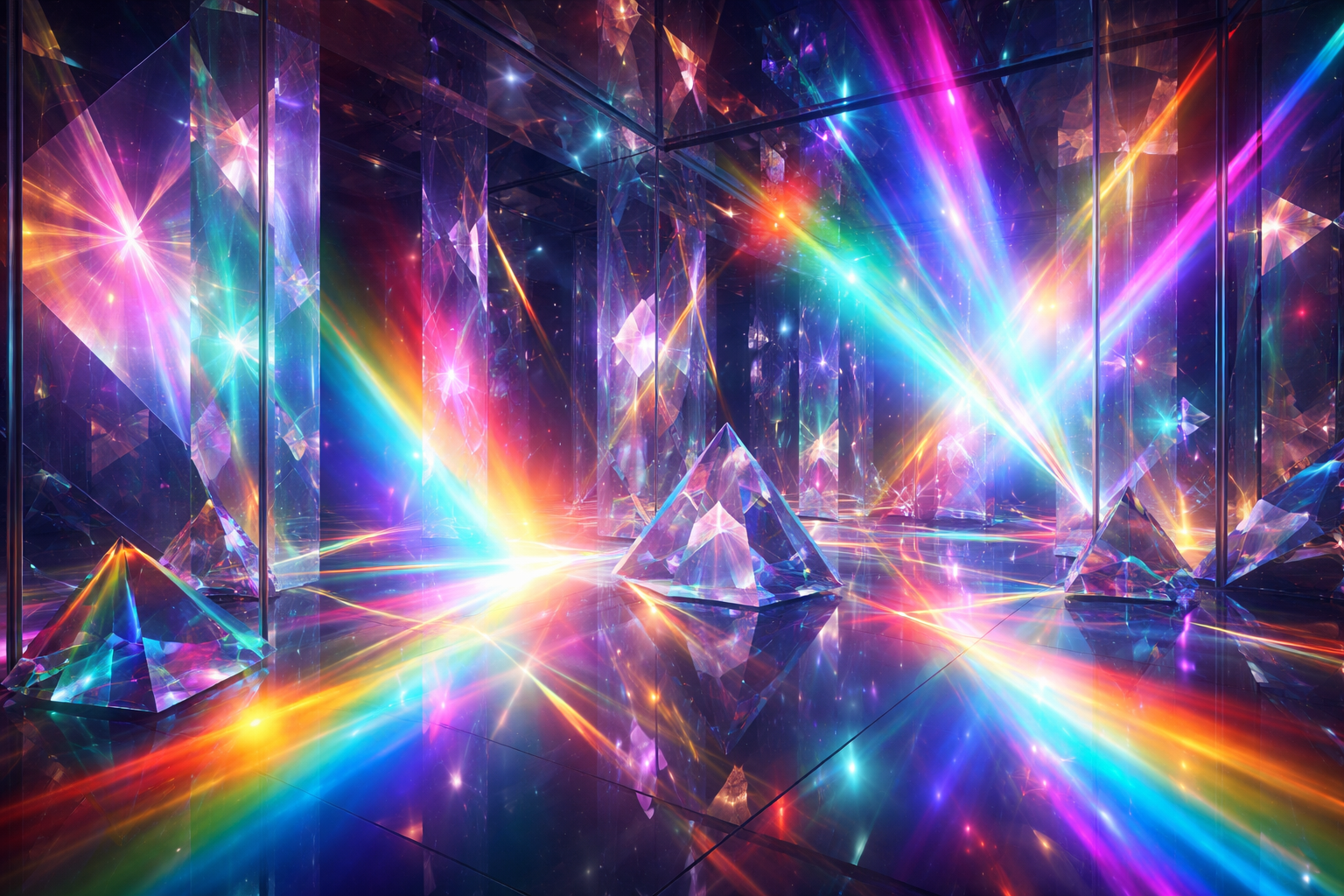
In the world of design and visual aesthetics, few concepts capture the imagination like Prizmatem. At its core, Prizmatem is the harmonious intersection of colors, light, and patterns, offering designers, artists, and architects a unique toolset to shape experiences that are both visually striking and emotionally resonant. Whether in architecture, digital design, or artistic installations, the Prizmatem approach transforms ordinary spaces into dynamic landscapes of creativity.
The Essence of Prizmatem
Prizmatem can be thought of as a philosophy as much as a technique. It revolves around understanding how light interacts with surfaces, how colors influence perception, and how patterns guide the eye. Unlike traditional design methods that often treat these elements separately, Prizmatem emphasizes their interconnectedness. When applied thoughtfully, it allows for environments that feel alive—spaces where movement, reflection, and color play merge to create immersive experiences.
At its heart, Prizmatem encourages experimentation. By manipulating light sources, choosing complementary color palettes, and exploring rhythmic or geometric patterns, designers can evoke emotions ranging from calm and serenity to energy and excitement. The technique is not just about aesthetics; it’s about creating an emotional dialogue between the space and its audience.
Colors in Prizmatem
Color is perhaps the most immediate element people notice in any design. In Prizmatem, color is treated with a dynamic mindset. It’s not just about matching hues or adhering to conventional palettes; it’s about exploring how colors interact with light and surroundings.
For instance, imagine a wall painted in a subtle lavender shade. Under natural sunlight, the color might appear soft and soothing, while under artificial LED lighting, it could shift toward a warmer or cooler tone. Prizmatem leverages this variability, encouraging designers to consider how time of day, type of lighting, and surrounding materials influence color perception. This approach ensures spaces are not static but transform throughout the day, offering viewers a continuously evolving visual experience.
Light as a Design Element
In Prizmatem, light is not just functional it is sculptural. Designers experiment with both natural and artificial sources to create depth, highlight textures, and draw attention to focal points. The interplay of shadows and highlights can add a three-dimensional feel to otherwise flat surfaces.
Consider a corridor with patterned glass panels. As sunlight passes through, it casts intricate patterns on the floor and walls, shifting with the sun’s movement. This dynamic quality is central to Prizmatem: the space itself becomes a living canvas, reacting and changing with environmental conditions. Advanced designers often integrate reflective surfaces, prisms, or colored filters to manipulate light in innovative ways, producing an almost magical interplay of brightness, shadow, and color.
Patterns and Visual Rhythm
Patterns in Prizmatem go beyond simple repetition. They are carefully curated to guide the viewer’s eye, create balance, and emphasize harmony between colors and light. Whether geometric, organic, or abstract, patterns introduce rhythm to spaces. They can subtly influence mood, lead attention to key features, and provide a sense of coherence across different design elements.
A great example is a public art installation using mirrored tiles arranged in fractal patterns. The reflection of natural surroundings on these tiles not only enhances spatial perception but also introduces movement, encouraging viewers to engage with the artwork from multiple angles. Patterns, in Prizmatem, are therefore both functional and expressive, serving as bridges between color, light, and human interaction.
Practical Applications of Prizmatem
Prizmatem has a wide range of applications across multiple fields:
- Architecture: By incorporating light-reflective materials and dynamic color palettes, architects create buildings that interact with natural light, changing throughout the day and seasons.
- Interior Design: Designers use Prizmatem principles to create vibrant, immersive interiors where color transitions and light effects evoke desired moods.
- Digital Design: In web and app interfaces, gradients, color overlays, and pattern layering reflect Prizmatem philosophy, making digital spaces more visually engaging.
- Art Installations: Artists leverage prisms, reflective surfaces, and complex patterns to create interactive exhibits where viewers experience constantly shifting visuals.
The unifying factor across all these applications is a focus on experience over static visuals. Prizmatem is about creating environments that feel alive, emotionally resonant, and visually stimulating.
The Emotional Impact
What makes Prizmatem particularly powerful is its ability to evoke emotion through sensory experience. Colors affect mood, light affects perception, and patterns influence movement and attention. By combining these elements thoughtfully, designers can craft spaces that calm, energize, inspire, or intrigue.
Imagine walking into a room where sunlight filters through a series of colorful panels, casting dancing patterns across the walls and floor. The visual complexity stimulates curiosity, the warmth of the colors invokes comfort, and the rhythm of the patterns adds a sense of balance. This is the emotional resonance that Prizmatem strives to achieve.
Conclusion
Prizmatem is more than a design technique—it is a creative philosophy that celebrates the interplay of colors, light, and patterns. It challenges designers to think beyond static forms and embrace environments that evolve, interact, and resonate emotionally. From architectural masterpieces to intimate interior spaces, from digital interfaces to public art, Prizmatem has the power to transform ordinary visuals into extraordinary experiences.
In exploring Prizmatem, we not only discover new ways to enhance visual aesthetics but also unlock the potential for spaces that feel alive, dynamic, and deeply human. For anyone passionate about design, art, or architecture, embracing Prizmatem is an invitation to experiment, innovate, and create experiences that linger long after the viewer has left the



Post Comment