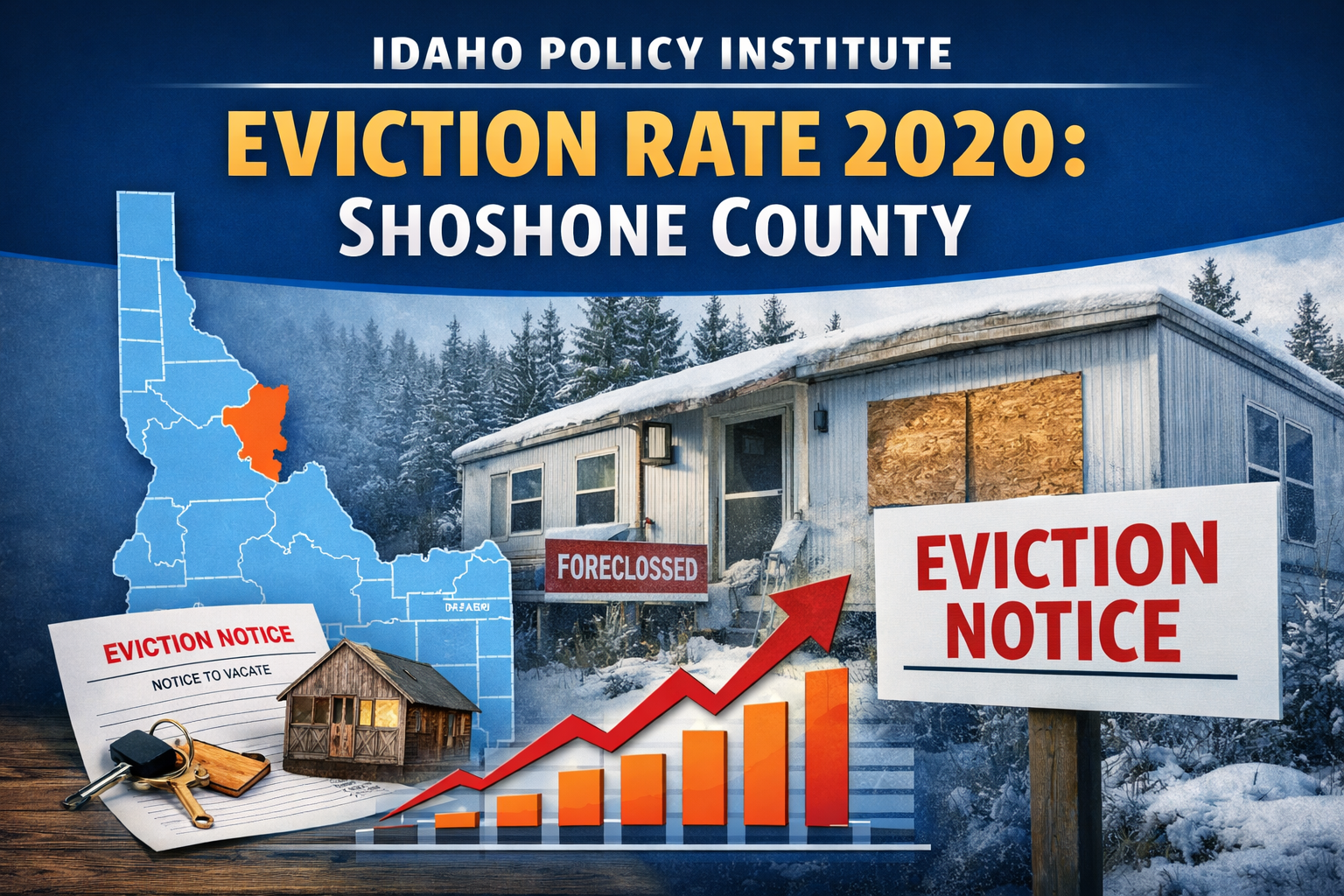
Idaho Policy Institute Eviction Rate 2020: Shoshone County
Title Page Separator Site title
The year 2020 marked a turning point for housing stability across the United States. The COVID-19 pandemic disrupted employment, income security, and public health systems, placing many renters at risk of eviction. In Idaho, researchers and policymakers relied on data-driven analysis to understand how deeply communities were affected. One of the most referenced sources for this work was the Idaho Policy Institute, whose housing and eviction research helped shed light on county-level trends—including those in Shoshone County.
This article explores the eviction rate context for Shoshone County in 2020, the role of the Idaho Policy Institute in analyzing these patterns, and why this data continues to matter for housing policy today.
Understanding Eviction Rates and Why They Matter
An eviction rate generally refers to the share of renter households that face formal eviction filings or completed evictions within a specific time period. Evictions are more than legal events; they are indicators of financial stress, housing insecurity, and broader economic instability.
In 2020, eviction data took on added significance because:
- Millions of workers experienced layoffs or reduced hours
- Emergency public health measures disrupted normal court operations
- Federal and state eviction moratoria temporarily altered eviction processes
Because of these factors, eviction rates in 2020 do not always reflect “normal” market conditions. Instead, they reveal how well emergency policies protected renters during an unprecedented crisis.
The Role of the Idaho Policy Institute in 2020
The Idaho Policy Institute (IPI), based at Boise State University, serves as a nonpartisan research center focused on economic, social, and demographic issues in Idaho. During 2020, IPI played a critical role in:
- Compiling eviction and housing instability data
- Interpreting trends during COVID-19 disruptions
- Supporting policymakers, journalists, and community organizations
- Providing county-level insights rather than statewide averages
For counties like Shoshone—often overlooked in national housing discussions—this localized analysis was essential.
Shoshone County: Local Housing Context
Shoshone County is located in northern Idaho and has a distinct economic and demographic profile compared to larger urban counties. Historically influenced by mining, forestry, and service-based employment, the county includes small towns and rural communities where housing options are limited.
Key characteristics relevant to eviction trends include:
- Lower median household incomes compared to Idaho’s urban centers
- A higher share of renters vulnerable to job disruptions
- Limited availability of legal aid and tenant advocacy services
- Fewer rental units, increasing pressure when displacement occurs
When the pandemic hit in early 2020, these factors combined to increase the risk of housing instability for renters in the county.
Eviction Trends in Shoshone County During 2020
According to analyses informed by Idaho Policy Institute data sources, eviction activity in 2020 followed a distinct pattern:
- Early 2020: Eviction filings reflected pre-pandemic levels before emergency declarations.
- Mid-2020: Federal and state eviction moratoria significantly reduced formal eviction filings.
- Late 2020: As temporary protections shifted and enforcement varied, eviction risk increased for renters with accumulated unpaid rent.
While official eviction rates appeared lower during moratorium periods, researchers emphasized that this did not mean housing stability had improved. Instead, many households experienced “hidden housing distress,” including:
- Rental debt accumulation
- Informal eviction pressures
- Forced moves without court filings
In small counties like Shoshone, even a modest number of evictions can have an outsized community impact.
The Impact of Eviction Moratoria
Eviction moratoria were one of the most influential policy tools in 2020. They helped keep many renters housed during the height of the public health emergency. However, data analysis from institutions like the Idaho Policy Institute highlighted several limitations:
- Protections varied by jurisdiction and enforcement
- Not all renters were aware of their rights
- Landlords still faced financial strain
- Evictions were delayed rather than eliminated
In Shoshone County, where access to legal resources can be limited, understanding and applying moratorium protections was often challenging for tenants.
Why 2020 Eviction Data Still Matters
Even years later, 2020 eviction rate data remains relevant for several reasons:
- Policy evaluation: It helps measure the effectiveness of emergency housing protections.
- Future preparedness: It informs responses to economic downturns or natural disasters.
- Housing affordability debates: It highlights structural vulnerabilities in rural rental markets.
- Community planning: Local governments can better target rental assistance and prevention programs.
The Idaho Policy Institute’s county-level approach ensures that rural areas like Shoshone County are not excluded from these conversations.
Lessons for Housing Policy in Shoshone County
Analysis of eviction trends from 2020 suggests several important lessons:
- Early intervention and rental assistance are more effective than post-eviction support
- Clear communication of tenant protections is critical
- Rural counties need tailored housing policies, not one-size-fits-all solutions
- Data transparency strengthens public trust and informed decision-making
These lessons continue to shape discussions about housing stability across Idaho.
Conclusion
The eviction rate data for Shoshone County in 2020, as analyzed and contextualized by the Idaho Policy Institute, provides a valuable snapshot of how a rural Idaho community navigated the housing challenges of the COVID-19 pandemic. While formal eviction filings were reduced during parts of the year, underlying housing insecurity remained a serious concern.
By examining this data carefully, policymakers, researchers, and community leaders can better understand the long-term effects of crisis-driven housing policies and work toward more resilient, equitable housing systems for counties like Shoshone in the future.



Post Comment