Increasing Recyclatanteil in Plastic Packaging
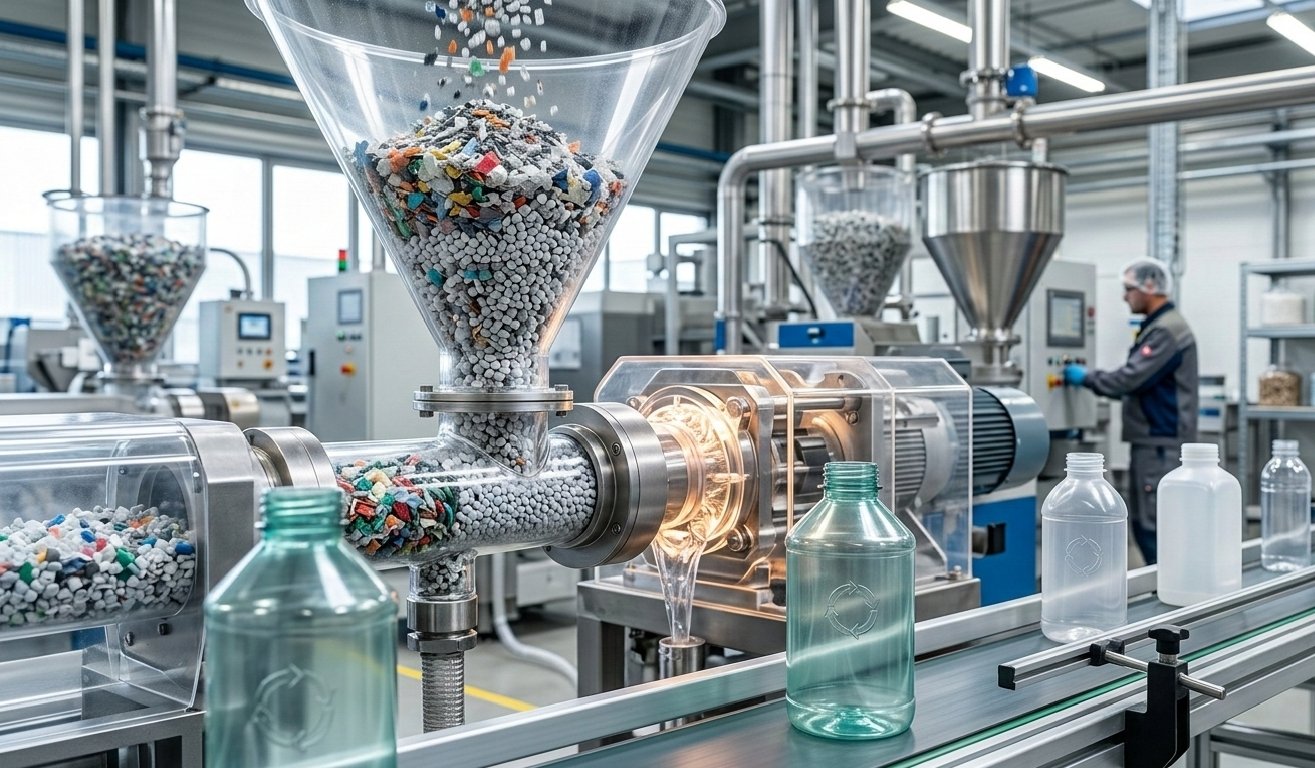
Plastic packaging plays a central role in modern supply chains. It protects food from contamination, extends shelf life, reduces product damage during transport, and helps brands present their identity on store shelves. Yet, as global awareness about environmental sustainability grows, the pressure on industries to reduce plastic waste and improve circularity has intensified. One of the most effective strategies to address this challenge is increasing the Recyclatanteil the proportion of recycled material used in plastic packaging.
Raising the recycled content in packaging is no longer just a voluntary sustainability effort. In many markets, it is becoming a regulatory requirement, a consumer expectation, and a competitive advantage. Understanding how and why to increase Recyclatanteil is essential for manufacturers, brand owners, and policymakers alike.
What Is Recyclatanteil?
Recyclatanteil refers to the percentage of recycled plastic material also known as recyclate—used in the production of new plastic packaging. This recyclate can come from two primary sources:
- Post-consumer recycled (PCR) material – plastic that has been used by consumers, collected, sorted, and reprocessed.
- Post-industrial recycled (PIR) material – plastic waste generated during manufacturing processes.
The higher the Recyclatanteil, the lower the dependency on virgin fossil-based raw materials. Increasing this percentage supports a circular economy model where materials remain in use for as long as possible.
Why Increasing Recyclatanteil Matters
1. Reducing Environmental Impact
Virgin plastic production relies heavily on fossil fuels. By replacing a portion of virgin material with recycled content, companies significantly reduce carbon emissions, energy consumption, and resource extraction. Studies consistently show that recycled plastics require less energy to process than new plastics.
2. Supporting the Circular Economy
A circular economy aims to eliminate waste and keep materials circulating within the system. Increasing Recyclatanteil ensures that plastic waste becomes a valuable resource rather than landfill or ocean pollution.
3. Meeting Regulatory Requirements
Across Europe and other regions, regulations are tightening. The has introduced ambitious targets for recycled content in plastic packaging as part of its Green Deal and circular economy strategies. Many countries are implementing plastic taxes or minimum recycled content requirements to accelerate change.
4. Strengthening Brand Reputation
Consumers are more environmentally conscious than ever. Packaging labeled with recycled content signals responsibility and transparency. Brands that actively increase their Recyclatanteil often gain trust, loyalty, and a competitive edge in the marketplace.
Key Challenges in Increasing Recyclatanteil
Despite the clear benefits, increasing recycled content in plastic packaging is not without obstacles.
Quality and Performance Issues
Recycled plastics may have variations in color, odor, or mechanical properties compared to virgin materials. This can affect transparency, strength, and appearance—particularly important for food packaging and premium products.
Food Safety Regulations
For food-contact packaging, strict safety standards apply. Only specific recycling processes are approved to ensure that contaminants are removed effectively. This limits the availability of suitable recyclate for certain applications.
Supply Constraints
High demand for quality recyclate often exceeds supply. Collection systems, sorting technologies, and recycling infrastructure must scale up to meet industrial needs.
Cost Considerations
Recycled materials can sometimes be more expensive than virgin plastics, especially when oil prices are low. Market volatility adds complexity to procurement decisions.
Strategies to Increase Recyclatanteil
To overcome these challenges, companies must adopt a comprehensive and strategic approach.
1. Design for Recycling
Packaging must be designed with recyclability in mind from the start. This includes:
- Using mono-material structures instead of multi-layer composites
- Avoiding dark pigments that hinder sorting
- Minimizing labels and adhesives
When packaging is easier to recycle, the quality and availability of recyclate improve, making it easier to increase Recyclatanteil in future production cycles.
2. Investing in Advanced Recycling Technologies
Mechanical recycling remains the most common method, but advanced chemical recycling technologies are emerging. These processes break plastic down into its molecular components, allowing it to be rebuilt into near-virgin quality material.
By investing in innovation, companies can secure high-quality recycled inputs suitable even for demanding applications.
3. Long-Term Supplier Partnerships
Establishing stable partnerships with recycling companies ensures consistent supply and quality of recyclate. Collaborative agreements encourage investment in better sorting and processing technologies.
4. Gradual Integration
Instead of aiming for 100% recycled content immediately, many companies increase Recyclatanteil step by step—10%, 25%, 50%—testing performance and adjusting formulations accordingly.
5. Consumer Education and Transparency
Clear labeling and communication help manage expectations about slight color variations or texture differences in recycled packaging. Educating consumers reinforces the environmental value behind these changes.
Industry Examples and Progress
Many global brands have already committed to increasing recycled content in their packaging portfolios. Beverage companies, personal care brands, and household product manufacturers are announcing ambitious goals for 2025 and 2030.
Supermarkets and retailers are also playing a major role by setting sustainability criteria for suppliers. These commitments create strong incentives throughout the value chain to increase Recyclatanteil.
At the policy level, initiatives driven by organizations such as the are accelerating systemic transformation. Standardized recycling targets and harmonized regulations encourage innovation and cross-border cooperation.
The Role of Technology and Data
Digital technologies are becoming critical in tracking and verifying recycled content. Blockchain-based traceability systems, material passports, and digital product passports improve transparency and accountability.
Automation and artificial intelligence in sorting facilities enhance the purity of recycled streams. As sorting accuracy improves, recyclate quality rises—making higher Recyclatanteil technically feasible.
Economic Opportunities
Increasing recycled content is not just about compliance it is also an economic opportunity. The recycling industry creates jobs in collection, processing, and innovation. As demand grows, new business models emerge around material recovery and circular supply chains.
Companies that invest early in sustainable packaging technologies often benefit from cost efficiencies in the long term. Reduced exposure to virgin material price volatility and improved brand positioning can offset initial investments.
Future Outlook
The future of plastic packaging will be shaped by three main forces:
- Regulation – Stricter minimum recycled content requirements.
- Technology – Breakthroughs in chemical recycling and material science.
- Consumer Demand – Growing preference for sustainable products.
In the coming years, increasing Recyclatanteil will shift from being a competitive advantage to a standard industry practice. Companies that delay adaptation may struggle to meet legal requirements or consumer expectations.
Conclusion
Increasing Recyclatanteil in plastic packaging is a critical step toward a more sustainable and circular economy. It reduces environmental impact, conserves resources, and strengthens brand credibility. While challenges remain—ranging from technical limitations to supply constraints strategic design, technological investment, and collaborative partnerships can overcome these barriers.
The transformation of plastic packaging will not happen overnight. It requires coordinated efforts across manufacturers, recyclers, policymakers, and consumers. However, the direction is clear: higher recycled content is no longer optional it is essential.
By steadily increasing Recyclatanteil, the packaging industry can move from a linear “take-make-dispose” model to a resilient circular system that benefits both the environment and the economy.




Post Comment