King Cheesecake Recall Details and Refund Info
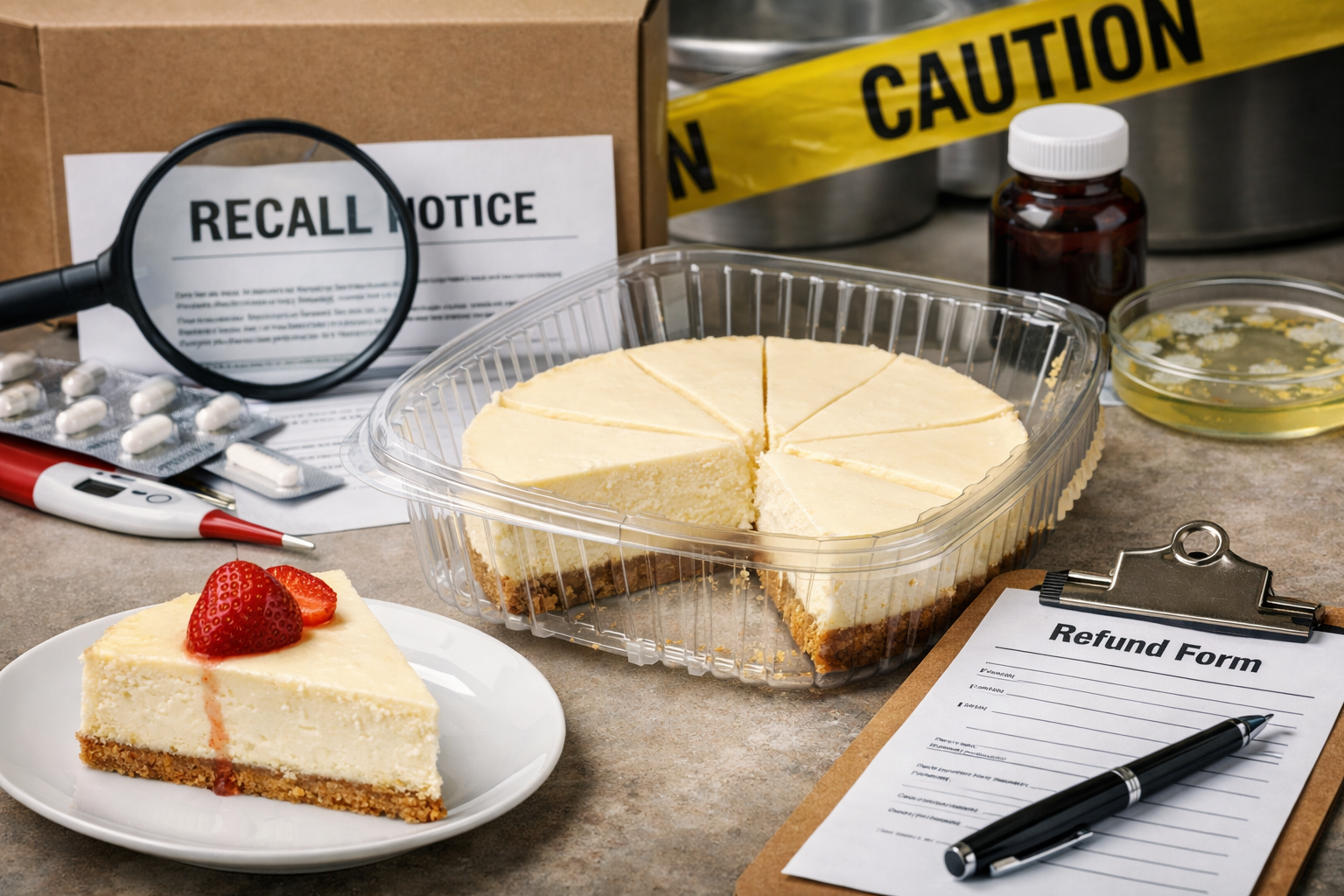
Consumers across the country are paying close attention following the recent King Cheesecake recall, as questions continue to surface about affected products, potential health risks, and how customers can receive refunds. Food recalls are always taken seriously, especially when they involve widely distributed dessert products like cheesecakes that are commonly served at family gatherings, restaurants, and special events.
This article provides a comprehensive overview of the King Cheesecake recall, including what prompted the action, which products are involved, possible health concerns, and step-by-step guidance on how consumers can protect themselves and request refunds.
Why the King Cheesecake Recall Was Issued
Food recalls typically occur when a product poses a potential health or safety risk. In the case of the King Cheesecake recall, the issue reportedly involves concerns related to food safety standards. Recalls may be triggered by several factors, including:
- Possible contamination with bacteria such as Salmonella or Listeria
- Undeclared allergens (such as nuts, soy, or dairy ingredients not listed on the label)
- Packaging errors or labeling inaccuracies
- Foreign material contamination
- Temperature control issues during distribution
While investigations are ongoing, recalls are often initiated as a precautionary measure to prevent possible illness. Manufacturers and regulatory agencies act quickly once a potential issue is identified to minimize risk to consumers.
Consumers are advised to stay updated through official announcements and verified news sources for the most accurate and current information regarding the recall.
Which King Cheesecake Products Are Affected?
At the time of the recall notice, certain batches of King Cheesecake products were identified as potentially impacted. Typically, recall notices specify:
- Product names and flavors
- Package sizes
- Lot numbers or batch codes
- Expiration or best-by dates
- Distribution regions
Consumers who have recently purchased King Cheesecake products should carefully inspect the packaging. Lot numbers and expiration dates are usually printed on the bottom or side of the box or container.
If your product matches the recall details, it should not be consumed—even if it appears normal in smell, taste, and appearance. Foodborne contaminants are not always visible.
Potential Health Risks
The level of health risk depends on the reason for the recall. If the issue involves bacterial contamination, symptoms may include:
- Nausea
- Vomiting
- Diarrhea
- Abdominal cramps
- Fever
Certain groups are more vulnerable to severe complications, including:
- Pregnant women
- Young children
- Older adults
- Individuals with weakened immune systems
If you or a family member experience symptoms after consuming a recalled product, seek medical attention promptly and inform healthcare providers about the possible exposure.
In cases involving undeclared allergens, the risk can be even more serious for individuals with food allergies. Allergic reactions may range from mild symptoms such as hives and itching to severe, life-threatening anaphylaxis. Anyone with known food allergies should exercise extreme caution.
What Consumers Should Do
If you have purchased a product included in the King Cheesecake recall, follow these steps:
1. Do Not Consume the Product
Even if it looks and smells fine, do not eat the recalled cheesecake.
2. Check Recall Details
Compare the product’s lot number and expiration date with the recall announcement to confirm whether it is affected.
3. Dispose of or Return the Product
Most recall notices provide instructions to either safely dispose of the product or return it to the place of purchase.
4. Monitor for Symptoms
If the product was consumed, watch for any signs of illness over the next several days.
5. Contact Customer Support
Manufacturers typically provide a hotline or customer service email to answer questions and process refunds.
Refund and Compensation Information
One of the most common concerns during any recall is how customers can recover their money. In the case of the King Cheesecake recall, consumers are generally eligible for a full refund if they purchased an affected product.
How to Request a Refund:
- Return the product to the store where it was purchased
- Bring proof of purchase (receipt, if available)
- Contact King Cheesecake customer service via phone or website
- Provide product details, including lot number and expiration date
Some retailers may offer store credit instead of cash refunds, depending on their policy. However, in most food recalls, consumers are entitled to a full refund regardless of whether the product has been opened.
If you no longer have a receipt, customer service representatives may still assist you. Many companies prioritize consumer safety and satisfaction during recall situations.
How Recalls Are Managed
Food recalls in the United States are typically coordinated with regulatory agencies such as the Food and Drug Administration (FDA) or the U.S. Department of Agriculture (USDA), depending on the product type.
The recall process generally follows these steps:
- Identification of a potential issue
- Investigation and testing
- Public recall announcement
- Removal of affected products from shelves
- Consumer notification and refund process
- Corrective action by the manufacturer
Transparency is a key component of effective recall management. Companies are expected to communicate clearly and act quickly to protect public health.
Preventing Future Incidents
Food manufacturers must adhere to strict safety standards to prevent contamination and labeling errors. These standards often include:
- Routine quality control testing
- Supplier verification programs
- Sanitation protocols
- Temperature monitoring
- Allergen management systems
While no system is completely immune to errors, strong oversight significantly reduces risk.
Consumers can also take preventive steps by:
- Checking recall announcements regularly
- Storing food at proper temperatures
- Following expiration dates
- Reporting suspicious products to retailers
Staying Informed
To remain updated on the King Cheesecake recall:
- Monitor official company statements
- Check government food safety websites
- Follow trusted news outlets
- Contact retailers for in-store notices
Timely information ensures that consumers can respond quickly and minimize potential health risks.
Final Thoughts
The King Cheesecake recall serves as an important reminder of how critical food safety is in today’s supply chain. While recalls can cause concern and inconvenience, they are ultimately designed to protect consumers from potential harm.
If you have purchased King Cheesecake products recently, take a few minutes to check packaging details and confirm whether your product is affected. If it is included in the recall, avoid consumption and follow refund procedures immediately.
Food recalls, though unsettling, demonstrate that monitoring systems are actively working to identify and address potential risks. Staying informed, acting promptly, and following official guidance will help ensure your safety and peace of mind.
For the most accurate and up-to-date details, always rely on official recall announcements and verified sources.


Post Comment