Kotora Melnkalne Travel Guide: History & Scenic Views
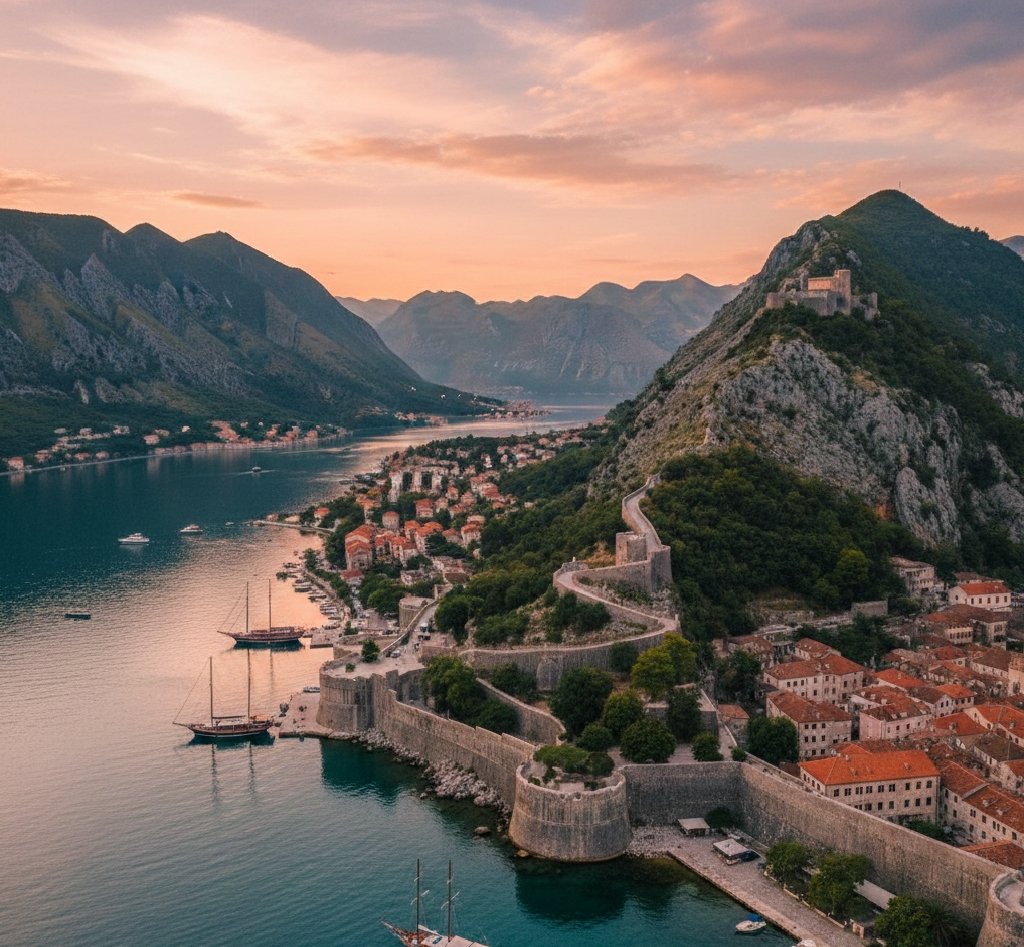
Often described in poetic or symbolic terms, Kotora Melnkalne is a lyrical way to capture the essence of Kotora medieval coastal town nestled between rugged mountains and the calm waters of the Bay of Kotor on Montenegro’s Adriatic coast. While “Kotora Melnkalne” isn’t an official place name, this phrase evokes the town’s dramatic landscapes and layered history, blending the idea of “Kotor” with imagery associated with the “black mountains” that surround it much like the meaning of Montenegro itself (“black mountain”).
In this guide you’ll discover the story of this captivating destination, its must‑see attractions, scenic highlights, cultural experiences, and practical travel tips to help you make the most of your visit.
A Storied Past: History of Kotora Melnkalne
The history of Kotor stretches back more than two millennia, shaped by successive civilizations that have left their mark on its streets, churches, and fortifications. The earliest known inhabitants in this region were Illyrian tribes, followed by Roman rule, Byzantine influence, and later control by the Venetian Republic. Public buildings, narrow lanes, and robust city walls date largely from the medieval period and the long Venetian era (which lasted nearly four centuries).
UNESCO World Heritage Status
What makes Kotor exceptional is its remarkably well‑preserved medieval town center. In 1979, this Old Town was inscribed on the UNESCO World Heritage List for its Venetian Gothic architecture and historic urban layout a living museum of Adriatic culture and architecture.
Walking through Kotor’s Old Town feels like stepping back in time. The stone streets, tiny squares, and terracotta roofs are punctuated by historic churches, palaces, and the iconic St. Tryphon’s Cathedral, originally consecrated in 1166 and rebuilt several times over the centuries.
Other historic treasures include:
- Clock Tower: A 17th‑century landmark marking the heart of the main square.
- Trg od Oružja (Arms Square): A central square bustling with cafes and historic monuments that reflect Venetian civic life.
- Maritime Museum: Housed in an old palace, this museum tells the story of Kotor’s seafaring traditions.
Natural Splendor: Scenic Views & Outdoor Adventure
What truly sets Kotora Melnkalne apart and justifies its poetic reference to “mountains and depths” is the spectacular natural setting of Kotor. The town lies where steep limestone peaks plunge into the azure waters of the Bay of Kotor, a dramatic coastal landscape often mistaken for a fjord but technically a ria (a submerged river valley).
Bay of Kotor
The Bay of Kotor’s calm waters and steep mountains are a photographer’s dream. Whether viewed from sea level or a high cliff trail, the contrast between blue waters and rugged green slopes is striking. Boat rides, kayaking trips, and leisurely swimming are popular ways to soak in the scenery.
San Giovanni Fortress & Ladder of Kotor
For panoramic views over town and bay, the hike up to the San Giovanni Fortress is a must. This historic fortification sits high above Kotor and rewards climbers with breathtaking vistas, especially at sunrise or sunset. The trail, known locally as the Ladder of Kotor, involves roughly 1,350 stone steps and takes about 45–90 minutes, depending on your pace.
This climb not only offers visual rewards but also a sense of the town’s ancient defensive strategy its walls snake up the steep mountainside in a near‑continuous fortification.
Other Trails and Viewpoints
Beyond San Giovanni, trails such as the Vrmac Ridge Loop offer views of both the bay and the interior hills, weaving through pine forests and offering encounters with local wildlife.
For a road‑based scenic experience, the Serpentine Road up from Kotor toward the village of Njeguši offers sweeping panoramas of the bay a favorite drive among visitors and photographers alike.
Cultural Rhythm: Festivals, Cuisine & Local Life
Kotor’s spirit shines not only through its stones and souls but also its living traditions.
Festivals and Celebrations
Throughout the year Kotor hosts cultural events that celebrate its heritage:
- Kotor Carnival: A vibrant festival full of colorful costumes and street performances.
- Boka Night (Bokeljska Noć): Boats illuminated with lights drift across the bay in a spectacular maritime procession.
- KotorArt Festival: Summer performances of music, theater, and visual art in historic venues.
Food & Traditions
Montenegrin cuisine reflects Mediterranean and Balkan influences. Alongside Mediterranean staples like fresh seafood, you’ll find local specialties such as:
- Black risotto (made with cuttlefish ink)
- Njeguški prosciutto and cheeses
- Olive oil salads and locally produced wines
Markets and cafes in the Old Town provide chances to sample these flavors while mingling with locals and fellow travelers.
Practical Travel Tips
Getting There
Kotor is accessible by:
- Tivat Airport — about 10 minutes by car from Kotor.
- Podgorica Airport — roughly 1.5 hours by road.
The Adriatic Highway and the Vrmac Tunnel connect Kotor to neighboring towns like Budva, Perast, and Herceg Novi.
Best Times to Visit
- Spring and Autumn: Mild weather, fewer crowds.
- Summer: Lively festival season and warm sea temperatures, but also busiest.
- Winter: Quieter atmosphere, though some attractions may have reduced hours.
Stay and Explore
Kotor’s Old Town offers a range of accommodations from boutique guesthouses tucked into ancient walls to modern hotels with bay views. Since the town is compact, many attractions are walkable, though expect significant walking on uneven stone steps.
Final Thoughts
Whether you interpret Kotora Melnkalne as a poetic identity or simply a creative variation on Kotor’s name, the place it represents is undeniably rich in history, natural beauty, and cultural depth. The interplay of medieval architecture, creeping mountain walls, and shimmering Adriatic waters makes this corner of Montenegro one of Europe’s most unforgettable travel destinations.
Ready to explore Kotora Melnkalne? Plan your journey around heart‑pounding hikes, centuries‑old stories etched into stone, and unforgettable views across one of the Mediterranean’s most picturesque bays.




Post Comment