Understanding Nativität: A Complete Guide
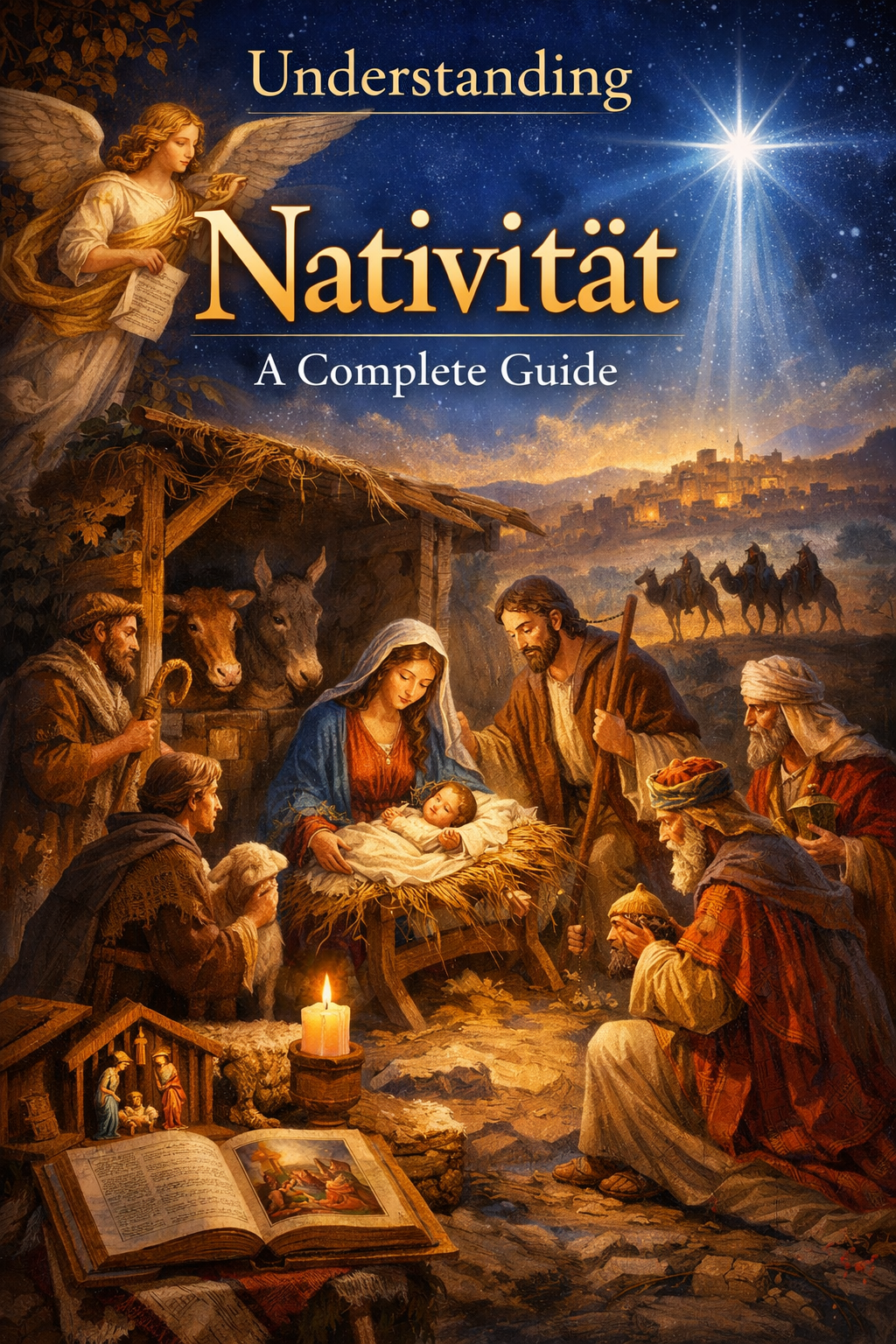
The term Nativität may sound unfamiliar to many, yet it carries deep cultural, religious, and historical significance. Rooted in the traditions of Christianity, the concept primarily revolves around the birth of Jesus Christ and the various celebrations, artworks, and narratives associated with it. In this complete guide, we’ll explore the meaning of Nativität, its history, its role in art and culture, and how it continues to influence modern society.
What Does Nativität Mean?
The word Nativität comes from the Latin word nativitas, which literally means “birth” or “nativity.” In most contexts, particularly in European languages like German, it specifically refers to the birth of Jesus Christ, also known as the Nativity of Christ. The term can be used more broadly to describe the birth of someone significant, but its strongest association is with religious tradition and symbolism.
In Christianity, the Nativität represents not just a historical event but also a profound spiritual moment. It symbolizes hope, renewal, and divine intervention in human history. For believers, it is the fulfillment of centuries-old prophecies about the Messiah who would bring salvation to humanity.
Historical Origins of the Nativität
The celebration of the Nativität dates back to the early centuries of Christianity. While the exact date of Jesus’ birth is unknown, the Church eventually settled on December 25th to commemorate the event, coinciding with pre-existing winter festivals in the Roman world. This strategic timing helped early Christians integrate their sacred celebrations with familiar seasonal traditions, making the message of Christ more accessible to converts.
In medieval Europe, the Nativität became a central motif in religious storytelling. Churches would often recreate scenes from the Nativity with elaborate decorations, live reenactments, and nativity plays, known in German as Krippenspiele. These performances not only reinforced faith but also brought communities together, fostering a shared cultural identity.
The Nativität in Art
One of the most fascinating aspects of Nativität is its depiction in art. Artists across centuries have interpreted the birth of Christ in countless ways, from simple manger scenes to grandiose Renaissance paintings. These artworks are not merely decorative; they are theological expressions, conveying deeper messages about humility, divinity, and human connection.
Key Features in Nativität Art
- The Manger: Symbolizing simplicity and humility, the manger is central to most depictions of the Nativität. It contrasts earthly poverty with divine importance.
- The Holy Family: Mary, Joseph, and the infant Jesus are always the focal point. Their arrangement often emphasizes serenity and love.
- The Shepherds: Representing ordinary people, shepherds were among the first to witness Christ’s birth. Their inclusion in art highlights the idea that the message of Jesus was for everyone, not just the elite.
- The Magi (Three Wise Men): While sometimes depicted in the Nativity scene, the Magi’s visit occurs after the birth, bringing gifts and symbolizing the recognition of Christ by the wider world.
- Angels and Stars: These celestial elements symbolize divine guidance and the supernatural significance of the event.
Some of the most famous depictions of Nativität include Giotto’s frescoes in the Scrovegni Chapel, Botticelli’s Nativity paintings, and countless illuminated manuscripts from the Middle Ages. Each artist interprets the scene differently, yet all aim to capture the profound spiritual essence of the event.
Nativität and Cultural Traditions
Beyond religious observance, the Nativität has inspired a variety of cultural traditions around the world.
Nativity Scenes
In many European countries, including Germany, Austria, and Italy, it is customary to set up Nativity scenes (Krippen) in homes, churches, and public squares during Christmas. These displays range from simple wooden figurines to life-sized, elaborate setups. Families often participate in arranging the scene, which strengthens communal and familial bonds.
Nativity Plays
Nativity plays are a time-honored tradition in schools and churches, dramatizing the birth story of Jesus. These plays not only educate children about the Nativität but also allow them to actively engage with the story, fostering empathy, creativity, and a deeper understanding of cultural heritage.
Music and Carols
The Nativität has also inspired a rich tradition of music. Classical composers like Bach, Handel, and Corelli created works specifically for Christmas, celebrating the birth of Christ. Carols such as “Silent Night” and “O Come, All Ye Faithful” continue to evoke the spiritual and emotional resonance of the Nativität worldwide.
The Spiritual Significance of Nativität
For Christians, the Nativität is more than a historical event; it embodies profound theological truths:
- Divine Humility: Jesus was born in a humble setting, showing that God values humility over grandeur.
- Hope for Humanity: The birth of Christ represents hope and renewal, especially in times of darkness or hardship.
- Fulfillment of Prophecy: The event confirms biblical prophecies about the Messiah, reinforcing faith and divine providence.
- Universal Love: The presence of shepherds and the Magi illustrates that Christ’s message is for all people, transcending social, ethnic, and cultural boundaries.
These spiritual lessons have made the Nativität a perennial source of inspiration for meditation, prayer, and reflection.
Modern Interpretations of Nativität
Today, the Nativität continues to influence both religious and secular spheres. Many communities maintain traditional celebrations, while artists, writers, and filmmakers reinterpret the story in contemporary contexts. Modern Nativity scenes may include diverse characters or settings, reflecting a globalized world while maintaining the core spiritual message.
Additionally, the concept of Nativität has inspired interfaith and humanitarian projects. For instance, some organizations use Nativity-themed initiatives to promote peace, charity, and cross-cultural understanding during the Christmas season.
Conclusion
Understanding Nativität involves more than knowing the date of a holiday; it requires an appreciation of its deep historical, artistic, cultural, and spiritual significance. From ancient scriptures to medieval art, from humble manger scenes to global celebrations, the story of the Nativity continues to resonate across generations. It reminds humanity of hope, humility, and the enduring power of faith.
Whether you approach Nativität as a scholar, believer, or cultural enthusiast, its story offers timeless lessons that remain relevant in today’s world. Embracing these lessons can deepen our appreciation for tradition, community, and the profound beauty of human expression.




Post Comment