wellhealthorganic.com:health-hazards-of-prolonged-sitting
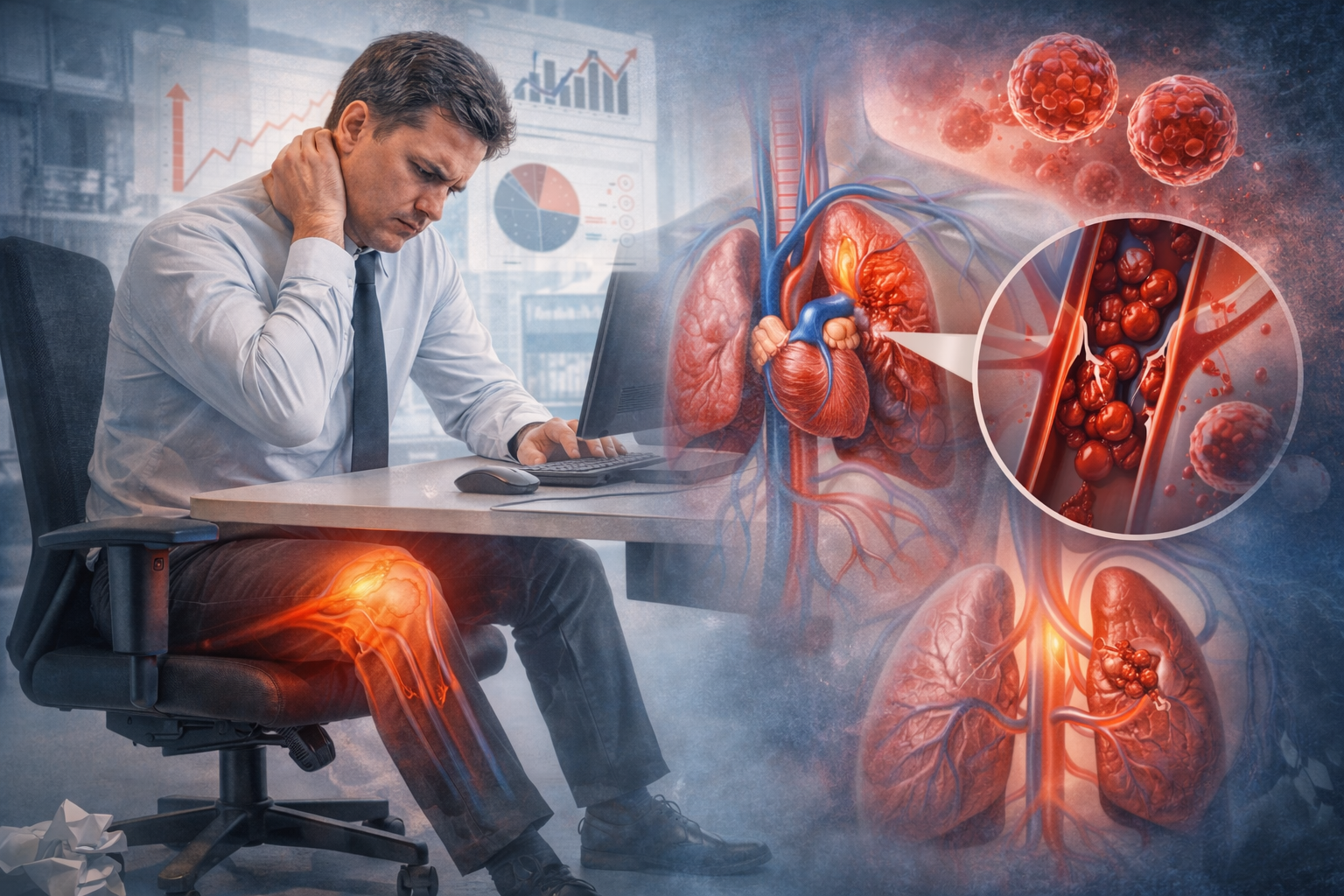
In today’s fast-paced digital world, most people spend a large portion of their day sitting. From office work and online meetings to watching television and browsing smartphones, sitting has become an unavoidable part of modern life. While sitting may seem harmless and comfortable, spending too many hours in a seated position can seriously affect overall health. Experts now consider prolonged sitting one of the major lifestyle risks of the 21st century.
The term “prolonged sitting” refers to sitting continuously for long periods of time, usually six to eight hours or more each day, with very little physical activity. When the body remains inactive for long durations, many systems in the body slow down, which can lead to various health complications. Understanding the health hazards of prolonged sitting is important so individuals can make healthier lifestyle choices and protect their well-being.
Understanding Prolonged Sitting in Modern Life
Modern lifestyles have drastically reduced physical movement. In the past, people were naturally more active due to manual work and daily physical tasks. Today, technology has made life more convenient, but it has also made people more sedentary.
Many common activities involve long periods of sitting, including:
- Working at a desk for office jobs
- Attending online classes or studying for hours
- Watching television or streaming content
- Using smartphones or tablets for social media
- Driving or commuting long distances
Although these activities are part of daily routines, excessive sitting without breaks can gradually damage the body. The human body is designed to move frequently, and long periods of inactivity can disrupt normal bodily functions.
For more information about healthy physical activity guidelines, you can read this resource from the World Health Organization:
https://www.who.int/news-room/fact-sheets/detail/physical-activity
Increased Risk of Heart Disease
One of the most serious health hazards of prolonged sitting is its impact on heart health. When a person sits for long periods, blood circulation slows down and the body’s ability to process fats becomes less efficient. This can cause fatty substances to build up in the blood vessels.
Over time, this may increase the risk of:
- High blood pressure
- Elevated cholesterol levels
- Blocked arteries
- Cardiovascular disease
Several studies have found that individuals who spend many hours sitting each day have a higher chance of developing heart-related conditions. Even people who exercise regularly may still face cardiovascular risks if they remain seated for most of the day.
Weight Gain and Obesity
Another major concern associated with prolonged sitting is weight gain. When the body remains inactive, it burns fewer calories compared to when it is standing or moving. As a result, excess calories are more likely to be stored as fat.
Many sedentary activities are also linked with unhealthy eating habits, such as snacking while watching television or working at a computer. This combination of low physical activity and increased calorie intake can contribute to obesity.
Obesity itself is a major health risk and can lead to other serious conditions such as heart disease, diabetes, and joint problems.
Increased Risk of Type 2 Diabetes
Prolonged sitting can interfere with the body’s ability to regulate blood sugar levels. Physical activity helps muscles absorb glucose from the bloodstream, which helps maintain balanced blood sugar.
However, when someone sits for long periods:
- Muscles become less active
- Glucose is not used efficiently
- Insulin sensitivity decreases
These changes may lead to insulin resistance, which is one of the main causes of Type 2 diabetes.
Back Pain and Posture Problems
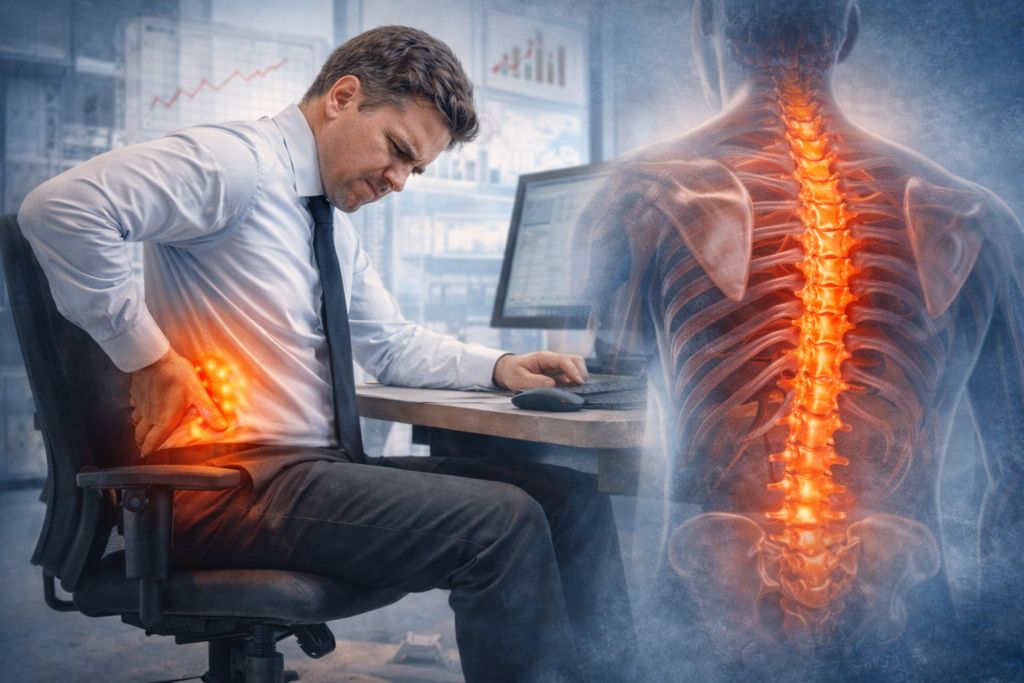
Sitting for long hours often leads to poor posture, especially when people slouch while using computers or smartphones. Poor posture places extra pressure on the spine and surrounding muscles.
Common musculoskeletal problems caused by prolonged sitting include:
- Lower back pain
- Neck stiffness
- Shoulder tension
- Spinal misalignment
Over time, these problems can become chronic and affect daily comfort and productivity.
You can also read more about sitting risks and posture from Harvard Health Publishing:
https://www.health.harvard.edu/pain/the-dangers-of-sitting
Increased Risk of Blood Clots
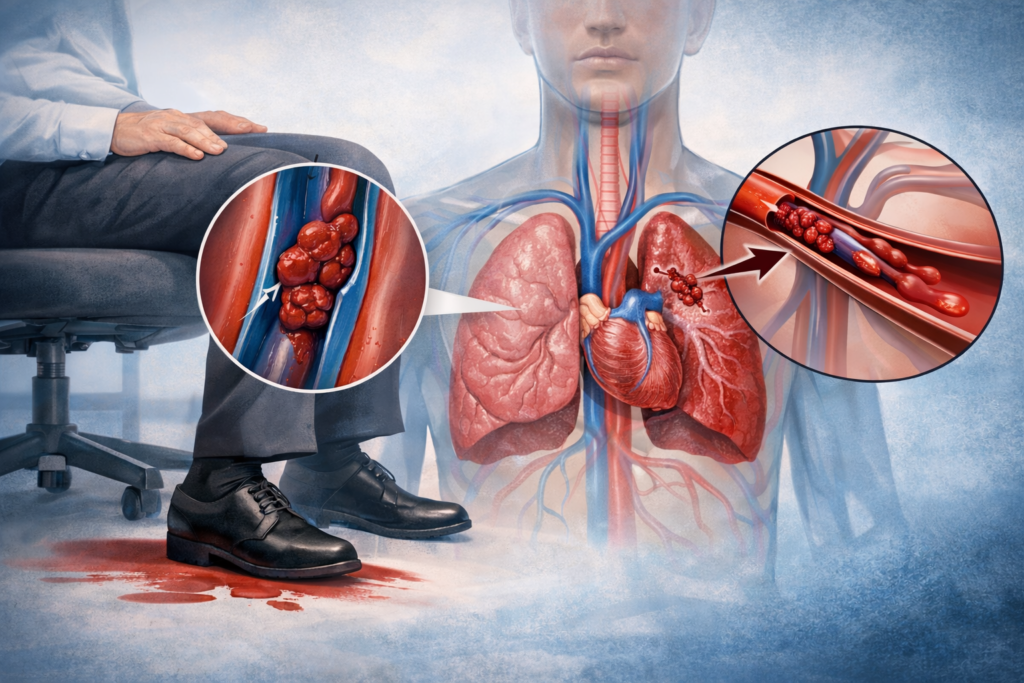
Another serious health hazard of prolonged sitting is the increased risk of blood clots, especially in the legs. This condition is known as Deep Vein Thrombosis (DVT).
When a person sits without moving for long periods, blood circulation in the legs slows down. This can lead to the formation of clots in the deep veins. If a clot travels to the lungs, it can cause a dangerous condition called pulmonary embolism.
This risk is commonly associated with long flights or road trips, but it can also occur in people who sit for long hours at work.
Weak Muscles and Reduced Mobility
Physical inactivity caused by prolonged sitting can weaken muscles over time. The muscles in the legs, hips, and core are particularly affected because they are not actively engaged while sitting.
Weak muscles can lead to:
- Reduced balance
- Limited mobility
- Increased risk of injury
Tight hip muscles and weak gluteal muscles are also common problems in people who spend most of their day sitting.
Effects on Mental Health
Prolonged sitting not only affects physical health but can also impact mental well-being. Sedentary behavior, especially when combined with excessive screen time, may contribute to mental health problems.
Research suggests that people who sit for long periods are more likely to experience:
- Stress
- Anxiety
- Depression
- Low energy levels
Physical movement stimulates the release of endorphins, which are hormones that improve mood and reduce stress.
Simple Ways to Reduce the Risks of Prolonged Sitting
Fortunately, the harmful effects of prolonged sitting can be reduced by making small lifestyle changes.
Take Movement Breaks
Stand up and move every 30–60 minutes to improve circulation and reduce stiffness.
Exercise Daily
Engage in activities like walking, cycling, jogging, or yoga for at least 30 minutes each day.
Improve Sitting Posture
Keep your back straight, shoulders relaxed, and feet flat on the floor while working.
Add Movement to Your Routine
Take stairs instead of elevators, walk during phone calls, or stretch during work breaks.
Conclusion
Prolonged sitting has become a common part of modern lifestyles, but it poses significant risks to both physical and mental health. From heart disease and diabetes to back pain and reduced mobility, excessive sitting can affect many aspects of overall well-being.
Fortunately, these risks can be minimized by adopting healthier habits such as taking regular breaks, staying physically active, and maintaining proper posture. Even small changes in daily routines can make a big difference in protecting long-term health.
The human body is designed to move, and maintaining an active lifestyle is essential for a healthier and more balanced life.




Post Comment