What Does “Viltnemnda” Mean in Norwegian Wildlife Law?
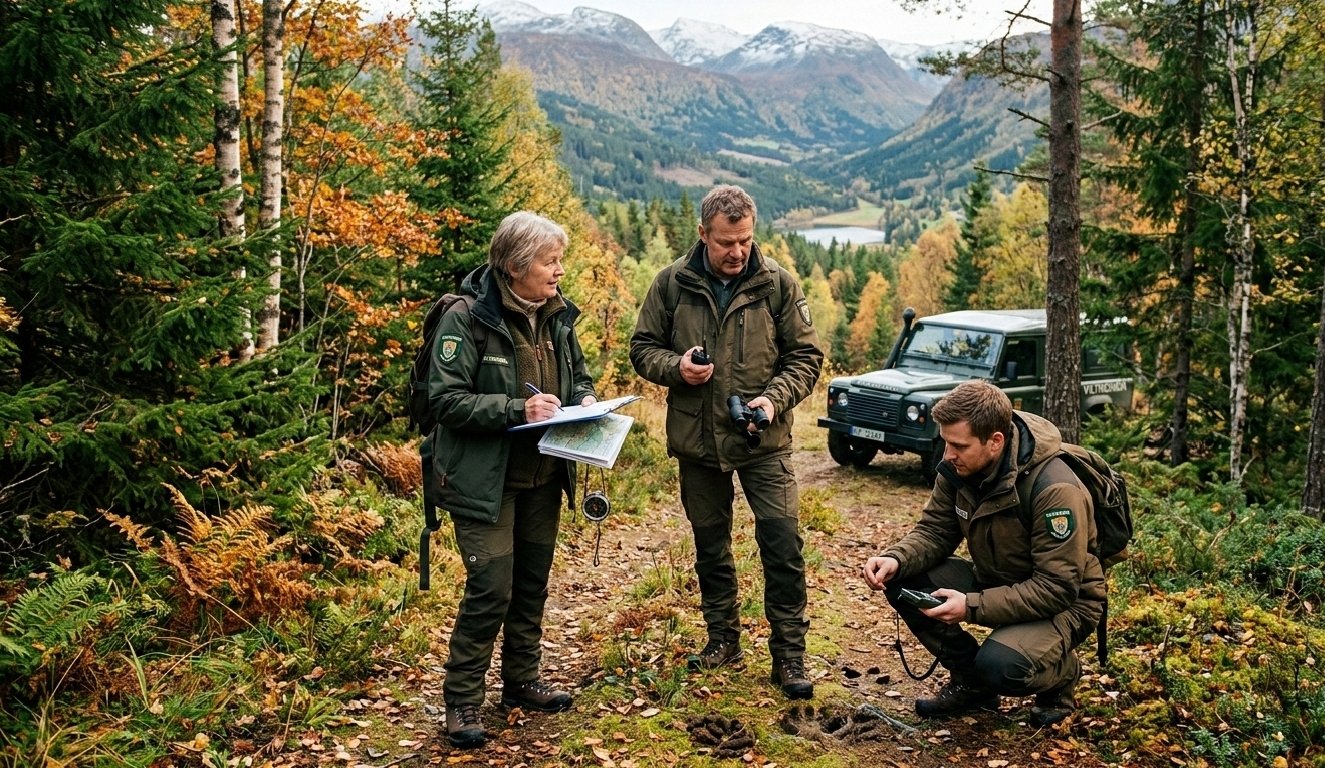
In Norway, nature is not just scenery it is a living part of national identity, culture, and local life. Forests, mountains, fjords, and tundra are home to moose, deer, reindeer, small game, predators, and countless bird species. Managing this wildlife is not a simple task. It requires a system that respects conservation, public safety, hunting traditions, and environmental sustainability. One important part of this system is the viltnemnda.
But what does “viltnemnda” actually mean in Norwegian wildlife law? And why does it matter?
This article explores the meaning of the term, its legal foundation, its responsibilities, and its importance in balancing people and nature across Norway.
The Meaning of “Viltnemnda”
The word “viltnemnda” comes from two Norwegian words:
- “Vilt” – meaning “wild game” or wildlife
- “Nemnd” – meaning “committee” or “board”
So, viltnemnda literally translates to “wildlife committee” or “game board.”
In practical terms, a viltnemnda is a municipal wildlife management committee responsible for handling local wildlife matters. It operates at the municipality (kommune) level and plays a key role in implementing national wildlife laws locally.
In English discussions, it is often referred to as a “Local Wildlife Board” or “Municipal Game Committee.”
Legal Foundation in Norwegian Law
The legal authority for viltnemnda is rooted in Norway’s wildlife legislation, particularly the:
The Wildlife Act (Viltloven), adopted in 1981, forms the backbone of Norway’s wildlife management system. The law sets out how wild mammals and birds are to be managed, hunted, protected, and conserved.
Under this framework:
- Wildlife is considered a national resource.
- Management responsibilities are shared between national, regional, and local authorities.
- Municipalities are given specific duties in wildlife administration.
Viltnemnda operates as a municipal-level body that helps fulfill these responsibilities.
In addition to the Wildlife Act, other regulations—such as hunting regulations and species-specific rules—also influence how viltnemnda works in practice.
Why Norway Uses Local Wildlife Committees
Norway’s geography is vast and varied. From the Arctic north to the forested south, ecosystems differ significantly. A one-size-fits-all wildlife policy would not work effectively.
That is why Norway uses a decentralized system.
National authorities set the overall rules and conservation goals. But municipalities handle local implementation. The viltnemnda ensures that wildlife decisions reflect:
- Local environmental conditions
- Population levels of species
- Hunting traditions
- Landowner interests
- Public safety concerns
This local knowledge is critical. A moose population in one municipality may be stable, while in another it may be causing traffic accidents or forest damage. The viltnemnda adapts national law to local reality.
Main Responsibilities of Viltnemnda
The viltnemnda has several core duties under Norwegian wildlife law. While responsibilities may vary slightly between municipalities, the following functions are typical.
1. Managing Hunting Quotas
One of the most visible roles of viltnemnda is helping determine hunting quotas for species such as:
- Moose
- Red deer
- Roe deer
These quotas are based on:
- Wildlife population data
- Reproduction rates
- Environmental impact
- Road accident statistics
The goal is sustainable harvesting. Hunting in Norway is not just a sport it is a management tool used to maintain ecological balance.
2. Handling Wildlife-Related Conflicts
Human-wildlife conflicts are common in rural and semi-urban areas. Examples include:
- Moose collisions with vehicles
- Deer damaging farmland
- Predators threatening livestock
Viltnemnda may coordinate with:
- Local police
- Wildlife wardens
- Emergency responders
In cases involving injured animals after traffic accidents, the committee ensures proper follow-up, often through trained search and tracking teams.
3. Advising the Municipality
Viltnemnda serves as an advisory body for the municipal council. It provides expertise on:
- Wildlife habitat protection
- Land-use planning
- Environmental conservation decisions
For example, if a new housing development is proposed in a migration corridor, the viltnemnda may give input on potential impacts.
4. Promoting Sustainable Wildlife Management
Sustainability is central to Norwegian environmental policy. The viltnemnda helps ensure:
- Wildlife populations remain healthy
- Biodiversity is protected
- Hunting practices are ethical and regulated
This reflects Norway’s broader environmental philosophy, which emphasizes balance between use and protection.
Relationship with Other Authorities
Viltnemnda does not work alone. It operates within a multi-level governance system.
At the national level, agencies set policy direction and overarching conservation goals.
At the county level, regional authorities may coordinate larger wildlife management areas, especially for species that migrate across municipal borders.
At the local level, viltnemnda implements decisions and monitors outcomes.
This layered structure ensures both national consistency and local flexibility.
The Importance of Hunting in Norway
To understand viltnemnda, it is important to understand Norway’s hunting culture.
Hunting is deeply embedded in Norwegian rural life. It provides:
- Food (especially moose and deer meat)
- Cultural tradition
- Community bonding
- Wildlife population control
Without structured hunting management, some species could overpopulate, leading to:
- Forest damage
- Increased vehicle collisions
- Ecological imbalance
Viltnemnda plays a key role in keeping this system orderly and science-based.
Balancing Conservation and Use
One of the most complex aspects of wildlife law is balancing conservation with human use.
Norway does not treat wildlife purely as a protected symbol, nor purely as a resource. Instead, it follows a model of sustainable use.
Viltnemnda must consider:
- Ecological health
- Economic interests (forestry, agriculture)
- Ethical hunting standards
- Public safety
For example, if moose numbers grow too large, forests may suffer. But if numbers drop too low, biodiversity and hunting traditions are affected. The committee must find the middle ground.
Wildlife Accidents and Emergency Response
Moose and deer frequently cross roads in Norway, particularly in forested areas. Wildlife-vehicle collisions are a serious issue.
When accidents occur:
- Police are notified.
- A trained wildlife tracker may be dispatched.
- The viltnemnda ensures proper procedures are followed.
This includes searching for injured animals and preventing unnecessary suffering.
Such practical responsibilities show that viltnemnda is not just a policy body it is also involved in real-world wildlife management.
Modern Challenges Facing Viltnemnda
Wildlife management today is more complex than ever. Viltnemnda faces new challenges such as:
Climate Change
Changing weather patterns can affect migration, reproduction, and food availability.
Urban Expansion
As cities grow, wildlife habitats shrink or become fragmented.
Public Debate on Predators
Large predators such as wolves often create political and emotional debates. Local committees may find themselves navigating controversial decisions.
Biodiversity Protection
Global biodiversity decline places additional responsibility on local authorities to protect vulnerable species.
Viltnemnda must adapt to these evolving pressures while staying within legal frameworks.
Transparency and Community Involvement
Because viltnemnda operates at the municipal level, it is close to the community. Members are typically appointed by the local municipal council.
This ensures:
- Democratic accountability
- Local representation
- Public trust
Residents can often attend meetings or raise concerns through municipal channels. This openness helps maintain legitimacy in sensitive wildlife decisions.
A Practical Example
Imagine a municipality where moose numbers have increased significantly. Farmers report crop damage. Drivers report more near-collisions. Hunters argue for increased quotas.
Viltnemnda would:
- Review population data
- Consult wildlife experts
- Assess accident statistics
- Evaluate ecological impact
- Recommend adjusted hunting quotas
The decision would aim to reduce risk and protect forests—while keeping the population sustainable.
This practical, data-driven process reflects how Norwegian wildlife law functions on the ground.
Why Viltnemnda Matters
At first glance, viltnemnda may seem like just another municipal committee. But its role is crucial.
It represents:
- Local environmental responsibility
- Democratic wildlife governance
- Sustainable resource management
- Practical conservation in action
Without such local bodies, wildlife policy would be either too centralized or poorly adapted to regional realities.
Conclusion
In Norwegian wildlife law, “viltnemnda” means far more than just “wildlife committee.” It represents a decentralized, community-based approach to managing nature responsibly.
Rooted in the , the viltnemnda plays a vital role in:
- Setting hunting quotas
- Responding to wildlife accidents
- Managing human-wildlife conflict
- Advising on conservation and land use
- Promoting sustainable practices
It reflects Norway’s broader environmental philosophy: wildlife is both a shared national resource and a local responsibility.
In a world facing climate change, biodiversity loss, and increasing urban pressure, the work of viltnemnda shows how law, tradition, and local knowledge can come together to protect nature while allowing people to live alongside it.



Post Comment