What Is Assimilation? Meaning and Overvie
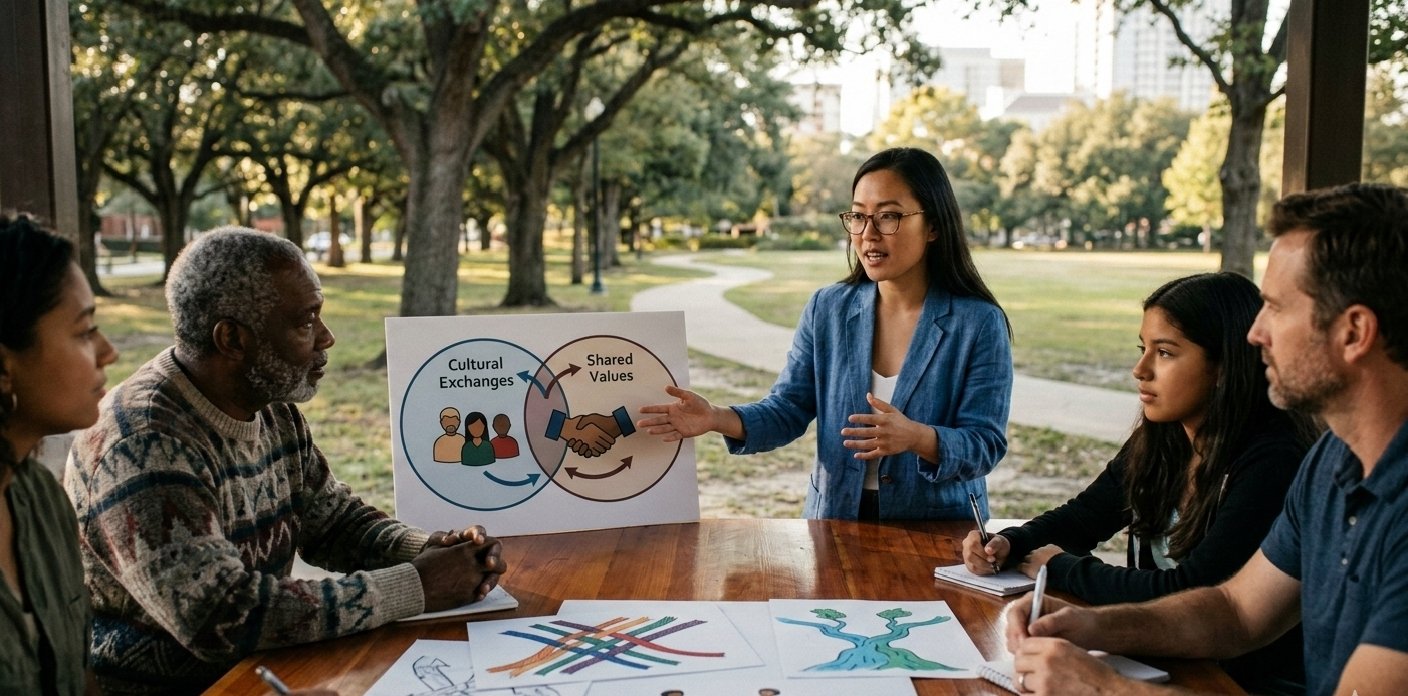
Assimilation is a natural and widely observed process in human society, language, culture, biology, and psychology. In simple terms, assimilation means adapting or absorbing new elements into an existing system so that they become part of it. People often experience assimilation when they move to new places, learn new skills, or interact with different communities.
The idea of assimilation has been studied for many years in social science, linguistics, and education. It explains how individuals or groups adjust to new environments while sometimes losing some original characteristics. Understanding assimilation helps explain cultural change, migration patterns, language development, and even human behavior.
Basic Meaning of Assimilation
The word assimilation comes from the idea of becoming similar or integrating into something larger. It refers to the process where a person, group, or substance becomes more like the surrounding environment.
In social life, assimilation usually means that minority groups adopt the customs, language, and behavior of the dominant culture. In science, assimilation can refer to how organisms absorb nutrients or how information is processed in the brain.
Assimilation is not always a forced process. Sometimes people willingly adapt to improve communication, social acceptance, or economic opportunities. However, in history, assimilation has also been linked with social pressure and cultural loss.
Assimilation in Culture and Society
Cultural assimilation is one of the most discussed forms of assimilation. It happens when people from different cultural backgrounds start adopting the practices of the dominant culture.
Migration is a major reason cultural assimilation occurs. When people move to a new country, they often learn the local language, follow social norms, and participate in community activities. Over time, their original cultural identity may blend with the new culture.
Cultural assimilation can bring both advantages and challenges. On one hand, it helps immigrants integrate into society and access better education and employment opportunities. It also reduces social conflicts caused by cultural misunderstanding.
On the other hand, excessive assimilation may lead to the loss of traditional values, languages, and cultural heritage. Some communities try to maintain their original identity while adapting to new environments.
In modern society, many countries promote multiculturalism instead of complete assimilation. Multicultural societies encourage different cultures to coexist while respecting diversity.
Assimilation in Language Development
Language assimilation is a common phenomenon in linguistics. It occurs when a sound changes to become more similar to a neighboring sound during speech.
For example, when people speak quickly, pronunciation may change to make speech easier and smoother. Assimilation in language helps improve speech efficiency and natural communication.
Children also experience assimilation when learning language. They absorb vocabulary, grammar, and pronunciation patterns from their environment. Education, media, and social interaction play important roles in language assimilation.
Language assimilation is important because it helps communication become more fluid. However, excessive assimilation in language may sometimes reduce clarity if pronunciation changes too much.
Biological Assimilation and Nutrition
In biology, assimilation refers to how living organisms convert nutrients into energy and body tissue. After food is digested, useful substances are absorbed and used for growth and repair.
Plants also undergo assimilation. Through photosynthesis, plants convert sunlight, carbon dioxide, and water into glucose, which provides energy for growth.
Biological assimilation is essential for survival. Without proper assimilation of nutrients, organisms cannot maintain healthy body functions.
Poor assimilation can lead to health problems such as malnutrition or weak immunity. That is why balanced diet and proper digestion are important.
Psychological Assimilation
Psychological assimilation relates to how people understand new information by fitting it into existing knowledge.
When a person learns something new, the brain tries to connect it with previous experiences. This process helps improve memory and understanding.
Children are especially dependent on psychological assimilation during early development. They learn by observing, imitating, and organizing new information.
Psychological assimilation is closely related to learning theories. Teachers often use familiar examples to help students understand new concepts.
Assimilation and Social Integration
Assimilation is often compared with integration. While assimilation means adapting to dominant culture, integration allows different cultures to coexist while maintaining their uniqueness.
Social integration focuses on participation without forcing people to abandon their identity.
Many modern societies prefer integration because it promotes diversity and equality. Complete assimilation may sometimes create social tension if people feel their cultural identity is threatened.
Advantages of Assimilation
Assimilation offers several benefits in different areas of life.
First, it improves communication. When people share language and social norms, misunderstandings decrease.
Second, assimilation helps economic development. People who adapt quickly to new environments can find jobs and participate in markets.
Third, assimilation supports social harmony. Common cultural understanding can reduce conflicts.
Fourth, assimilation promotes knowledge exchange. Different groups can share ideas, technology, and traditions.
Disadvantages of Assimilation
Despite its advantages, assimilation also has some negative effects.
One major problem is cultural loss. Traditional languages, customs, and practices may disappear over time.
Another issue is identity confusion. People who assimilate too quickly may feel disconnected from their original culture.
Forced assimilation has been historically associated with social injustice. Some communities were pressured to abandon their culture.
Balancing assimilation with cultural preservation is important for social stability.
Assimilation in Modern Globalization
Globalization has increased cultural interaction around the world. Technology, internet communication, and international travel have accelerated assimilation processes.
Young generations are often more exposed to global culture through social media, entertainment, and education.
However, many people also emphasize cultural preservation. Festivals, traditional clothing, and local languages are protected in many regions.
Modern society tries to combine globalization benefits with cultural diversity.
How Assimilation Affects Human Behavior
Human behavior is influenced by social surroundings. People naturally try to fit into groups to gain acceptance.
Assimilation can shape fashion, lifestyle, thinking patterns, and social attitudes.
Peer groups play a major role in behavioral assimilation. Children and teenagers are especially influenced by friends and media.
Positive assimilation helps personal development, while negative assimilation may encourage unhealthy habits.
Future of Assimilation
In the future, assimilation will continue evolving with technology and globalization.
Digital communication is creating global cultural connections. People from different countries can share experiences instantly.
Artificial intelligence, education platforms, and virtual communities may also influence assimilation patterns.
However, society is likely to maintain a balance between global integration and cultural individuality.
Conclusion
Assimilation is a complex and important process in human life. It exists in culture, language, biology, psychology, and society. While assimilation helps people adapt to new environments and improve communication, it also raises concerns about cultural identity and diversity.
Understanding assimilation helps society manage migration, education, and globalization more effectively. The future of assimilation will depend on how well humanity balances adaptation and cultural preservation.
In modern life, assimilation should be viewed as a tool for cooperation rather than cultural replacement. Respect for diversity and mutual understanding will remain essential for sustainable social development.



Post Comment