What Is Markiseteppe and Outdoor Shading Explained
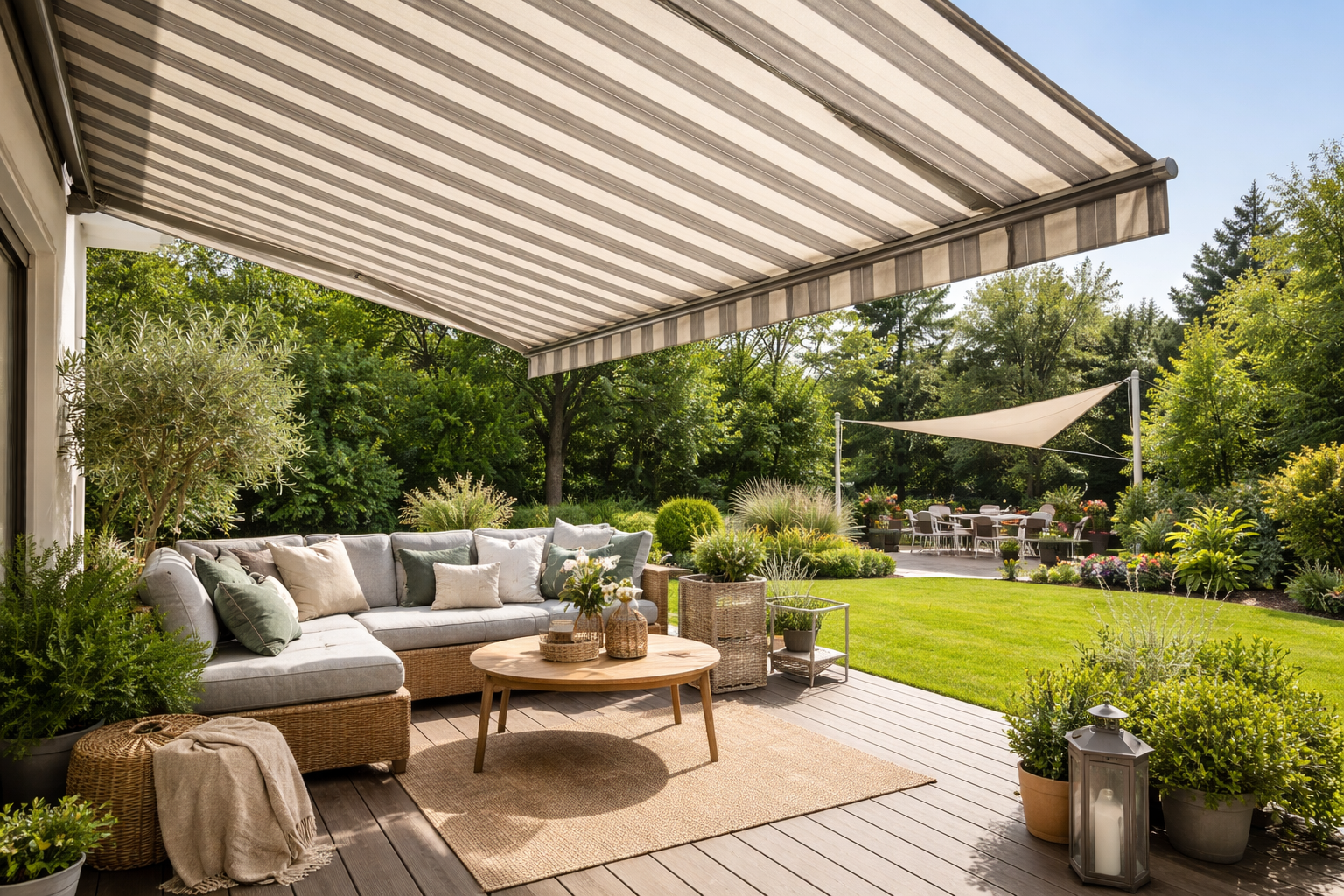
Outdoor living has become an essential part of modern homes, cafés, hotels, and commercial spaces. Whether it’s enjoying a quiet morning on the patio or creating a comfortable outdoor dining experience for customers, shade and weather protection play a crucial role. One term that is gaining attention in outdoor design discussions is markiseteppe. But what exactly is it, and how does it relate to outdoor shading?
In this comprehensive guide, we’ll explain what markiseteppe is, how it works, its benefits, materials, applications, maintenance tips, and why it’s an important element in modern outdoor spaces.
What Is Markiseteppe?
Markiseteppe refers to a specialized outdoor fabric primarily used for shading structures such as awnings, canopies, pergolas, and patio covers. The word is often associated with durable textile materials designed to provide protection against sun, light rain, and environmental elements while enhancing the aesthetic appeal of outdoor areas.
In simpler terms, markiseteppe is the fabric component that makes outdoor shading systems effective, attractive, and long-lasting.
It is not just any ordinary cloth. Markiseteppe fabrics are engineered to withstand outdoor conditions such as:
- Strong UV rays
- Moisture and light rain
- Wind exposure
- Temperature fluctuations
- Dust and pollution
Because of these features, it is widely used in both residential and commercial outdoor design.
Understanding Outdoor Shading
Outdoor shading refers to any structure or system designed to block or filter sunlight in exterior spaces. These systems create comfortable environments by reducing heat, glare, and UV exposure.
Common outdoor shading solutions include:
- Retractable awnings
- Fixed awnings
- Pergolas with fabric covers
- Shade sails
- Canopies
- Balcony shades
- Outdoor blinds
Markiseteppe plays a central role in many of these systems because the fabric determines durability, weather resistance, and overall appearance.
Why Outdoor Shading Is Important
Before diving deeper into markiseteppe, it’s important to understand why outdoor shading matters.
1. Protection From UV Rays
Extended exposure to sunlight can damage skin and outdoor furniture. Quality shading fabric blocks a significant percentage of harmful UV radiation.
2. Temperature Control
Shaded areas are noticeably cooler. By reducing direct sunlight, outdoor shading lowers surface and air temperature, making patios and terraces usable even during hot days.
3. Energy Efficiency
When shading is placed over windows or glass doors, it can reduce indoor heat gain. This decreases reliance on air conditioning and lowers energy costs.
4. Extended Outdoor Living
Outdoor shading transforms patios and balconies into comfortable living spaces, encouraging more time outdoors.
5. Enhanced Aesthetic Appeal
Modern shading fabrics come in a wide variety of colors, patterns, and textures, adding visual appeal to exterior design.
Materials Used in Markiseteppe
The effectiveness of markiseteppe depends largely on the materials used in its construction. The most common materials include:
Acrylic Fabric
Solution-dyed acrylic is one of the most popular choices. It offers:
- Excellent UV resistance
- Strong color retention
- Water repellency
- Mold and mildew resistance
Polyester
Polyester fabrics are lightweight and durable. When coated properly, they provide good water resistance and UV protection.
PVC-Coated Fabrics
PVC-coated materials offer high waterproofing and durability. These are often used in commercial applications where weather protection is critical.
Microfiber Blends
Some modern shading fabrics use advanced textile blends to improve breathability and flexibility.
Each material type has different strengths depending on climate, usage, and budget.
Key Features of High-Quality Markiseteppe
Not all shading fabrics are equal. High-quality markiseteppe should offer:
UV Protection
Premium fabrics block up to 90–99% of harmful UV rays.
Water Resistance
While not always fully waterproof, many markiseteppe fabrics are water-repellent, allowing light rain to roll off.
Fade Resistance
Solution-dyed fabrics retain their color for years, even under intense sun exposure.
Mold and Mildew Resistance
Outdoor environments can encourage mold growth. Quality fabrics are treated to prevent this issue.
Breathability
Good shading fabric allows air circulation, preventing heat buildup underneath.
Residential Applications of Markiseteppe
Markiseteppe is widely used in homes to enhance comfort and style. Common residential applications include:
Patio Awnings
Retractable awnings with durable fabric coverings provide flexible shade options.
Balcony Covers
Apartment dwellers use shading fabric to create privacy and reduce direct sunlight.
Garden Pergolas
Fabric-covered pergolas create elegant outdoor lounging areas.
Poolside Shade
Shading fabric protects swimmers and outdoor furniture from excessive sun exposure.
Commercial Uses of Markiseteppe
Businesses rely heavily on outdoor shading to improve customer experience.
Cafés and Restaurants
Outdoor seating areas use shading fabrics to create comfortable dining spaces.
Hotels and Resorts
Luxury resorts often incorporate stylish fabric canopies around pools and terraces.
Retail Stores
Shaded entrances and display areas attract customers while protecting merchandise.
Event Spaces
Temporary and permanent shade structures rely on durable outdoor fabric for events and exhibitions.
Benefits of Choosing Markiseteppe for Outdoor Shading
Choosing quality shading fabric offers several long-term advantages.
1. Durability
Properly manufactured markiseteppe can last 5–15 years depending on maintenance and climate conditions.
2. Low Maintenance
Most outdoor fabrics require only occasional cleaning with mild soap and water.
3. Customization
Available in numerous colors and patterns, shading fabric can complement architectural styles.
4. Cost-Effective Solution
Compared to permanent roofing structures, fabric shading systems are more affordable and flexible.
5. Environmentally Friendly Options
Some manufacturers produce eco-friendly fabrics using sustainable materials and low-impact dyes.
Maintenance Tips for Markiseteppe
To maximize lifespan, follow these simple care tips:
- Clean regularly to remove dust and debris
- Rinse with water to prevent dirt buildup
- Avoid harsh chemicals
- Retract awnings during heavy storms
- Allow fabric to dry before storing
Regular maintenance prevents mold, staining, and premature wear.
How to Choose the Right Markiseteppe
Selecting the best shading fabric depends on several factors:
Climate
Hot climates require higher UV resistance. Rainy areas need better waterproofing.
Usage
Commercial applications demand stronger, heavier-duty fabric.
Design Preferences
Consider color coordination with your exterior walls and outdoor furniture.
Budget
Higher-quality materials cost more initially but offer better long-term value.
The Future of Outdoor Shading
Outdoor design trends continue to evolve. Smart shading systems with motorized retractable awnings and weather sensors are becoming increasingly popular. These systems automatically adjust based on sunlight and wind conditions.
In this evolution, high-performance markiseteppe remains the foundation of effective outdoor shading. Advances in textile technology are improving durability, sustainability, and design possibilities.
Final Thoughts
Markiseteppe is more than just outdoor fabric—it is a vital component of modern outdoor shading systems. Whether used in residential patios, commercial cafés, or luxury resorts, it provides comfort, protection, and aesthetic enhancement.
By combining durability, UV protection, weather resistance, and stylish design options, markiseteppe helps transform outdoor areas into functional living spaces. Understanding its materials, features, and maintenance needs ensures you make an informed decision when choosing shading solutions.
As outdoor living continues to grow in popularity, high-quality shading fabrics will remain an essential investment for comfort, efficiency, and long-term value.

Post Comment