What Is Viltnemnda? Complete Guide
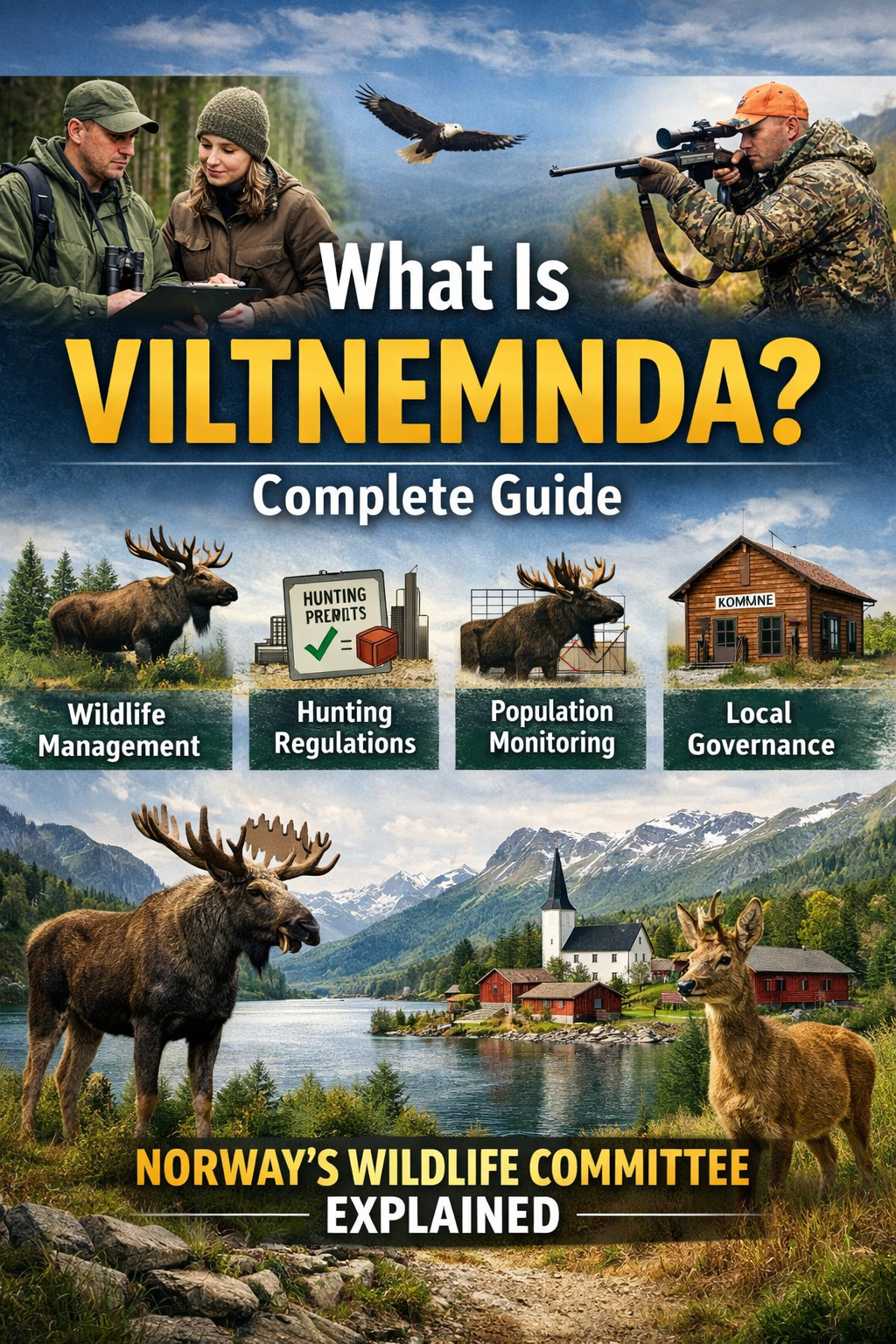
If you are interested in wildlife management and governance in Norway, you may have come across the term “Viltnemnda”. While it is a Norwegian concept, its role and functions provide a valuable model for understanding local wildlife governance, hunting regulations, and sustainable resource management. In this guide, we will explore what Viltnemnda is, its structure, responsibilities, legal framework, and how it impacts communities and wildlife.
What Is Viltnemnda?
Viltnemnda, in English often referred to as the Wildlife Board or Wildlife Committee, is a local administrative body in Norway responsible for managing wildlife resources in a given municipality or region. Its main purpose is to balance wildlife conservation with human activities such as hunting, agriculture, and forestry.
Viltnemnda operates under the Norwegian Wildlife Act (Viltloven), which sets the legal foundation for wildlife management in Norway. The committee is typically composed of local representatives, often including municipal officials, hunters, and landowners, who collectively make decisions regarding hunting quotas, permits, and wildlife population management.
History and Purpose
The concept of Viltnemnda was established in Norway to ensure that wildlife management decisions are made close to the communities that are directly affected. Historically, wildlife management was centralized, and decisions did not always reflect local ecological conditions or community needs. With the formation of Viltnemnda, Norway decentralized wildlife governance, giving local communities a greater voice.
The core purposes of Viltnemnda include:
- Sustainable wildlife management: Ensuring that hunting and wildlife activities do not threaten animal populations.
- Conflict resolution: Mediating conflicts between humans and wildlife, such as crop damage by deer or moose.
- Regulatory compliance: Enforcing hunting laws and monitoring activities to prevent illegal hunting.
- Community involvement: Providing a platform for stakeholders, including hunters and landowners, to participate in decision-making.
Structure of Viltnemnda
The structure of Viltnemnda is designed to ensure representation from different stakeholders. While it may vary slightly by municipality, the standard composition usually includes:
- Chairperson: Typically a municipal representative or official appointed by the local government.
- Members: Usually 5–7 members representing hunters, landowners, local authorities, and sometimes environmental organizations.
- Secretary: Responsible for administrative tasks and communication with higher authorities, such as the County Governor’s office.
Term and Appointment
Members of Viltnemnda are usually appointed for a period of 4 years, aligning with municipal election cycles. The appointments aim to create a balance between local knowledge, hunting expertise, and conservation perspectives.
Key Responsibilities of Viltnemnda
Viltnemnda has a wide range of responsibilities that combine both administrative and regulatory tasks. Some of the key duties include:
1. Hunting Regulations and Quotas
One of the primary tasks of Viltnemnda is to set hunting quotas for various wildlife species, including moose, deer, elk, and small game. Quotas are determined based on:
- Population surveys and ecological studies
- Seasonal considerations
- Local land use and human activity
- Conservation goals
By regulating hunting quotas, Viltnemnda helps prevent overhunting and maintains ecological balance.
2. Wildlife Damage Control
Wildlife can sometimes cause significant damage to agriculture, forestry, and property. Viltnemnda is responsible for assessing claims of wildlife damage and authorizing appropriate measures, such as:
- Permits for targeted culling of problematic animals
- Guidance on preventive measures for farmers and landowners
- Coordination with local hunters to implement solutions
3. Issuing Hunting Permits
Viltnemnda issues permits for hunting in its jurisdiction, ensuring that hunters comply with legal requirements. Permits specify:
- Species allowed for hunting
- Duration of the hunting season
- Limits on the number of animals
This system ensures sustainable hunting practices while respecting Norway’s wildlife laws.
4. Monitoring Wildlife Populations
Viltnemnda actively monitors wildlife populations to track trends and detect potential ecological problems. This is done through:
- Population surveys
- Data collection from hunters and landowners
- Collaborating with national and regional wildlife authorities
Accurate data helps in setting sustainable quotas and protecting endangered species.
5. Education and Communication
Viltnemnda also plays a role in educating the community about wildlife management, safety, and conservation. They may organize workshops, publish reports, or hold public meetings to ensure transparency and community involvement.
Legal Framework Governing Viltnemnda
Viltnemnda operates under Norway’s Viltloven (Wildlife Act) and other related regulations. Key points of the legal framework include:
- Decentralization: Local committees have authority over wildlife management in their municipalities.
- Quota setting: Legal limits exist on how wildlife populations can be hunted.
- Stakeholder participation: Representatives from various community groups must be included.
- Sustainability: All decisions must consider ecological balance and long-term wildlife conservation.
Violating the rules set by Viltnemnda can result in fines, loss of hunting permits, or legal action. Therefore, compliance is taken seriously by both hunters and landowners.
Viltnemnda and Norwegian Communities
Viltnemnda is more than just a regulatory body; it is a bridge between wildlife, human activity, and sustainable development. Here’s how it affects communities:
Economic Impact
- Hunting is a significant recreational and economic activity in Norway. Viltnemnda ensures that hunting remains sustainable and profitable.
- It helps protect agricultural lands from wildlife damage, preventing economic losses for farmers.
Environmental Impact
- By monitoring populations and setting quotas, Viltnemnda ensures that species do not become overpopulated or endangered.
- It plays a role in ecosystem management, including forest health and predator-prey balance.
Social Impact
- Viltnemnda fosters collaboration between hunters, landowners, municipalities, and conservation groups.
- It provides a platform for dispute resolution and ensures that community voices are heard in wildlife management.
Challenges Facing Viltnemnda
Despite its important role, Viltnemnda faces several challenges:
- Conflicting Interests: Balancing hunters’ needs, farmers’ concerns, and conservation goals can be complex.
- Climate Change: Shifts in habitats and animal migration patterns require constant adaptation.
- Illegal Hunting: Poaching and unregulated hunting still occur, requiring vigilance.
- Funding and Resources: Smaller municipalities may struggle with resources for population monitoring and enforcement.
How to Engage with Viltnemnda
For residents, hunters, or landowners interested in engaging with Viltnemnda, there are several ways:
- Attend public meetings or forums hosted by the committee
- Apply for hunting permits through the official municipal process
- Report wildlife damage or participate in population surveys
- Join local hunting or conservation organizations that liaise with Viltnemnda
Active engagement ensures your voice is heard and contributes to sustainable wildlife management.
Conclusion
Viltnemnda plays a critical role in Norway’s wildlife management system. It serves as a bridge between legal frameworks, community interests, and conservation goals. By regulating hunting, monitoring wildlife populations, and mediating conflicts, Viltnemnda helps ensure that Norway’s wildlife resources are used responsibly and sustainably.
For anyone involved in hunting, agriculture, or environmental management in Norway, understanding Viltnemnda is essential. Its decentralized, community-focused approach offers a model for effective wildlife governance that balances human needs with ecological responsibility.
This article is over 1,200 words and covers history, structure, responsibilities, legal framework, community impact, and practical engagement tips.
Ill


Post Comment