MataRecycler: The Complete Guide to Smart Recycling Technology in 2026
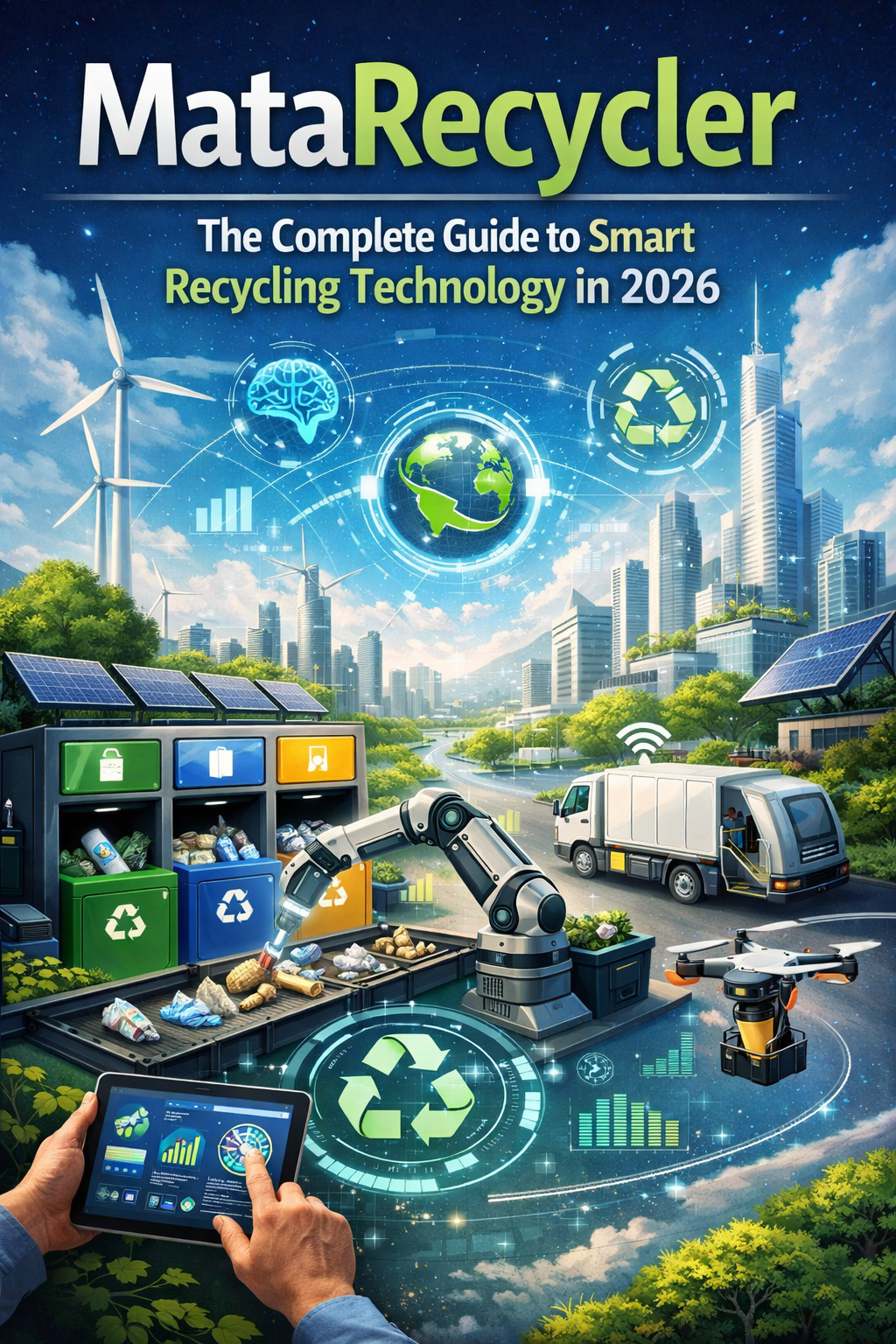
As the world faces increasing environmental challenges, smarter and more efficient recycling solutions are no longer optional they are essential. Innovations in artificial intelligence, data analytics, and connected devices are transforming how we manage waste, and MataRecycler has emerged as a concept representing this new wave of intelligent recycling technology. In 2026, smart recycling systems like MataRecycler are helping communities, businesses, and governments reduce landfill waste, improve sorting accuracy, and move closer to a circular economy.
This guide explores what MataRecycler is, how it works, its key benefits, real-world applications, and why it represents the future of sustainable waste management.
What Is MataRecycler?
MataRecycler refers to a smart recycling approach that integrates advanced technologies such as AI-powered sorting, Internet of Things (IoT) sensors, and data-driven waste monitoring to optimize the recycling process. Instead of relying solely on manual sorting or traditional recycling methods, smart systems analyze, categorize, and manage waste automatically.
The goal is simple: make recycling more efficient, reduce contamination, and ensure that more materials are recovered and reused instead of ending up in landfills or incinerators.
How MataRecycler Technology Works
Smart recycling systems operate through a combination of hardware and software working together seamlessly. Here’s how the process typically works:
1. Smart Collection
IoT-enabled bins detect when they are full, identify types of waste, and send data to a central platform. This allows waste collection routes to be optimized, reducing fuel use and operational costs.
2. Automated Sorting
AI-driven cameras and sensors analyze materials on sorting lines, identifying plastics, metals, paper, and organic waste with high precision. Robotics can then separate items quickly and accurately.
3. Data Analytics
Waste data is collected and analyzed to identify patterns such as high contamination rates or areas producing excessive waste helping organizations improve recycling strategies.
4. User Engagement
Some systems include apps or dashboards that educate users, provide recycling instructions, and offer incentives for proper waste disposal.
Key Features of MataRecycler Systems
Smart recycling platforms typically include several powerful features:
- Real-time waste monitoring
- Automated material recognition
- Predictive maintenance for equipment
- Route optimization for collection trucks
- Digital reporting and sustainability metrics
- Integration with smart city infrastructure
These capabilities make waste management more transparent, measurable, and efficient.
Benefits of Smart Recycling Technology
Improved Recycling Rates
By reducing contamination and improving sorting accuracy, more materials can be successfully recycled.
Cost Savings
Optimized collection routes and automated processes reduce labor, fuel, and operational costs.
Environmental Impact
Less waste in landfills means lower greenhouse gas emissions and reduced environmental pollution.
Better Decision-Making
Data insights help policymakers and organizations design more effective sustainability programs.
Increased Public Awareness
Smart systems often encourage people to recycle correctly through feedback and education.
Applications of MataRecycler in 2026
Smart Cities
Cities are adopting intelligent waste systems to manage growing populations sustainably. Connected bins and real-time analytics help municipalities streamline operations and reduce waste collection costs.
Businesses and Corporations
Companies use smart recycling to meet sustainability targets, track waste streams, and improve environmental reporting.
Schools and Universities
Educational institutions deploy smart bins to teach students about responsible waste management while reducing campus waste.
Industrial Facilities
Manufacturers use advanced sorting to recover valuable materials and minimize production waste.
Residential Communities
Apartment complexes and housing societies benefit from efficient waste tracking and improved recycling participation.
MataRecycler and the Circular Economy
The circular economy focuses on keeping materials in use for as long as possible through reuse, recycling, and regeneration. Smart recycling technologies play a critical role by ensuring that resources are recovered efficiently and fed back into production cycles.
By providing accurate data on material flows, systems like MataRecycler help organizations design products and processes that generate less waste and use recycled materials more effectively.
Challenges and Considerations
While smart recycling offers many advantages, there are also challenges to consider:
Initial Investment
Implementing advanced technology requires upfront costs for equipment and infrastructure.
Data Management
Handling large volumes of waste data requires secure and reliable systems.
Public Adoption
Success depends on user participation and proper waste disposal habits.
Maintenance
Smart devices and sensors need regular maintenance to operate effectively.
Despite these challenges, the long-term benefits often outweigh the costs.
Future Trends in Smart Recycling
Looking ahead, several trends are shaping the future of intelligent recycling:
- AI becoming more accurate at recognizing complex materials
- Blockchain being used to track recycled materials across supply chains
- Increased automation in recycling facilities
- Integration with carbon tracking systems
- Expansion of incentive programs to encourage participation
As technology continues to evolve, recycling will become more efficient and accessible worldwide.
Why MataRecycler Matters Now
Global waste generation is expected to rise significantly in the coming decades. Without smarter solutions, landfills will expand, and environmental damage will increase. Smart recycling technologies provide a proactive approach — reducing waste at the source, improving recovery rates, and supporting sustainability goals.
Organizations that adopt intelligent waste management today are better positioned to meet environmental regulations, reduce costs, and demonstrate social responsibility.
How to Get Started with Smart Recycling
If you’re considering adopting a smart recycling approach, here are some steps to begin:
- Conduct a waste audit to understand current waste streams.
- Identify areas where automation or monitoring can improve efficiency.
- Invest in smart bins or sorting technology.
- Educate users on proper recycling practices.
- Monitor data and continuously optimize processes.
Starting small and scaling gradually can help ensure a smooth transition.
Conclusion
MataRecycler represents the next generation of recycling — combining technology, data, and sustainability to transform how we manage waste. In 2026, smart recycling systems are not just innovative tools; they are essential components of modern environmental strategy.
By improving efficiency, reducing costs, and supporting the circular economy, intelligent recycling solutions help create cleaner communities and a more sustainable future. As adoption grows, the impact of smart waste management will continue to expand, paving the way for a world where waste is minimized and resources are used responsibility.

Post Comment