HMS Photovoltaik: Smart Solar Energy Systems
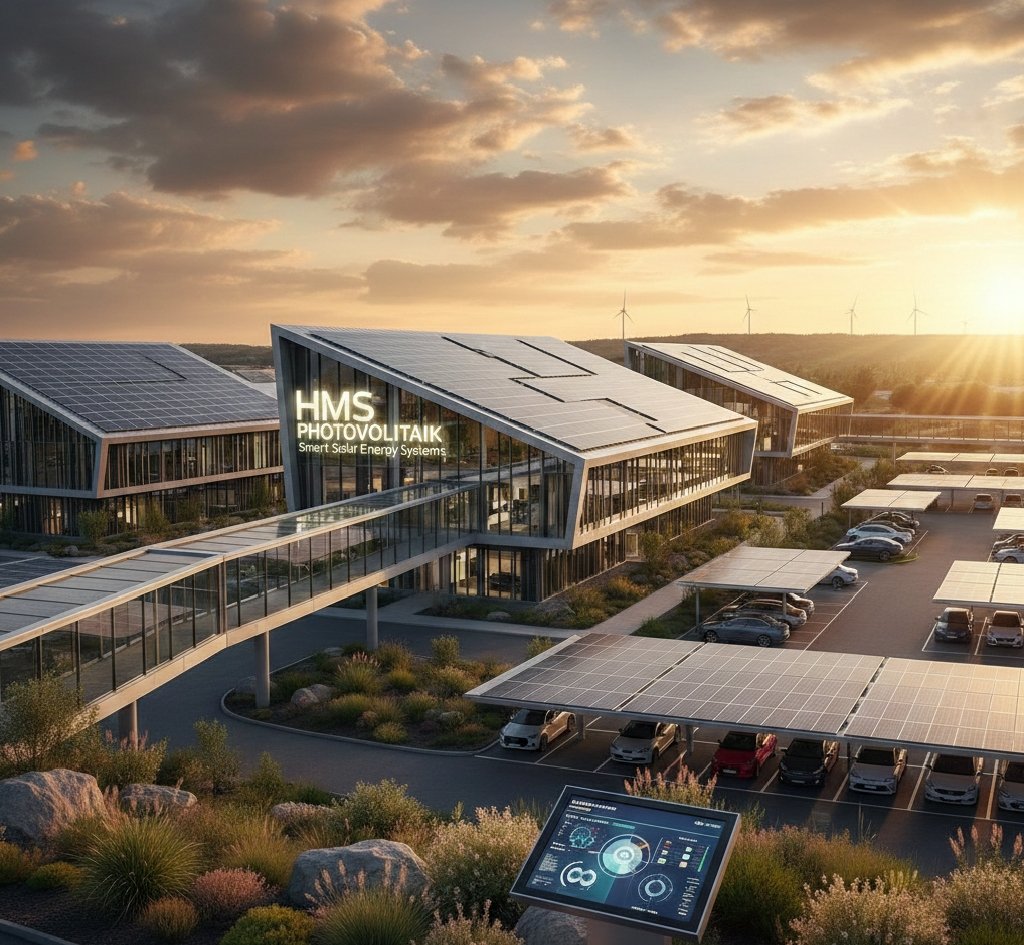
In a world urgently transitioning away from fossil fuels, solar energy has become a cornerstone of sustainable power generation. Within this landscape, HMS Photovoltaik represents an advanced tier of solar technology combining conventional photovoltaic (PV) power with intelligent system control, smart monitoring, and optimized energy management. These systems go beyond simple electricity generation to offer efficiency, scalability, and actionable insights into energy use, positioning them as a leading choice for homes, businesses, and industrial applications alike.
Understanding HMS Photovoltaik
At its core, HMS Photovoltaik refers to photovoltaic installations enhanced with a “Hybrid Monitoring System” an intelligent architecture that integrates panel‑level power electronics, communication networks, and software management to optimize performance at every stage. This evolution from traditional PV systems creates a hybrid solution that not only collects sunlight and generates electricity but does so with dynamic control and real‑time visibility.
Rather than relying solely on centralized components, HMS Photovoltaik employs module‑level optimization, usually through microinverters attached to each panel or small groups of panels. This fundamental design change dramatically improves reliability, performance, and system resilience.
Key Components of HMS Photovoltaik Systems
A modern HMS Photovoltaik system typically includes the following:
1. High‑Efficiency Solar Panels
The foundation of any PV system, high‑efficiency solar panels capture sunlight and convert it into direct current (DC) electricity. Advanced panels often monocrystalline or bifacial designs maximize energy capture even under diffused light conditions.
2. Microinverters and Hybrid Inverters
Unlike traditional string inverters that handle groups of panels, microinverters allow each panel to operate independently. This decreases the impact of shading, dirt, or malfunction on the overall system output. Some HMS designs also use hybrid inverters that manage power flows between PV generation, batteries, and the electrical grid.
3. Energy Storage (Batteries)
Battery integration enables storage of excess solar energy for later use such as nighttime or overcast periods. Lithium‑ion batteries are common due to their efficiency and scalability. HMS systems intelligently decide when to store, use, or export energy, optimizing for economics and autonomy.
4. Monitoring and Control Software
One of the defining characteristics of HMS Photovoltaik is its smart monitoring platform. These cloud‑connected tools provide real‑time data on production, consumption, panel performance, and system health. Users can access insights via mobile apps or web dashboards, enabling proactive maintenance and intelligent energy planning.
5. Mounting and Communication Hardware
Robust mounting systems secure panels in place, while wireless communication hardware transmits performance data from inverters to central monitoring platforms. This connectivity is what makes the system “smart.”
How HMS Photovoltaik Enhances Solar Performance
The intelligent design of HMS Photovoltaik delivers several performance improvements over traditional PV systems:
Panel‑Level Optimization
Since each panel operates independently, issues affecting one unit shading, soiling, or slight malfunctions do not drag down the performance of the entire array. This autonomy can increase total energy yield by significant margins compared to conventional systems.
Real‑Time Monitoring and Predictive Maintenance
With system analytics, users gain continuous visibility into how their system performs. Early detection of inefficiencies or faults allows owners or technicians to address issues before they escalate, reducing downtime and maintenance costs.
Dynamic Energy Management
HMS systems actively decide how and when energy is used. During peak solar production, energy can power appliances, charge batteries, or be exported to the grid. At night or during low production, stored energy can be deployed strategically. This dynamic control significantly improves self‑consumption and reduces dependence on external power sources.
Benefits Across Use Cases
HMS Photovoltaik’s flexibility and intelligence make it suitable for a wide range of applications:
Residential Systems
For homeowners, smart solar systems provide higher energy independence and transparency. Compact rooftops benefit especially from module‑level optimization, offering higher energy output per square meter compared to traditional setups. The ability to monitor performance in real time motivates more efficient energy habits and lowers electricity bills.
Commercial and Industrial Installations
In larger installations, energy management becomes a strategic tool. Facility managers can track load patterns, reduce peak power charges, and forecast energy needs using advanced dashboards. Businesses often experience enhanced reliability and lower operational costs thanks to predictive maintenance features and efficient energy utilization.
Community and Off‑Grid Projects
HMS Photovoltaik systems are also finding application in community microgrids and remote electrification projects. Their modular architecture simplifies installation and expansion, making them suitable for settings where grid access is limited or where energy infrastructure is being decentralized.
Economic and Environmental Advantages
The advantages of adopting HMS Photovoltaik extend beyond immediate performance gains:
- Financial Savings: Reduced grid electricity purchases and better utilization of self‑generated power drive down energy bills. Over time, these savings can significantly offset initial investment costs.
- Improved Return on Investment (ROI): With higher production and less downtime, HMS systems often deliver a more favorable return on investment compared to traditional PV setups.
- Lower Carbon Footprint: Generating and storing renewable energy locally reduces reliance on fossil fuels and cuts greenhouse gas emissions.
The Future of Smart Solar
As energy technologies evolve, HMS Photovoltaik is positioned at the intersection of decentralization, connectivity, and environmental responsibility. Future developments may see integration with smart grids, electric vehicle charging systems, and AI‑driven energy prediction models features that will further enhance flexibility and performance.


Post Comment