What Is CHAS6D and How It Shapes Future Digital Systems
Introduction
Technology is evolving at a rapid pace, transforming how digital systems are designed, managed, and optimized. Modern computing environments require smarter, adaptive, and highly secure frameworks that can handle complex data interactions. One emerging idea in advanced digital architecture is CHAS6D, a concept associated with next-generation cybernetic and intelligent system design.
CHAS6D represents a structured approach to digital system development, focusing on adaptability, security, intelligence integration, and multidimensional processing. Although still discussed in specialized technical circles, the concept reflects the future direction of computing technology.
This article explores what CHAS6D is, how it works, and how it may influence future digital systems.
Understanding CHAS6D
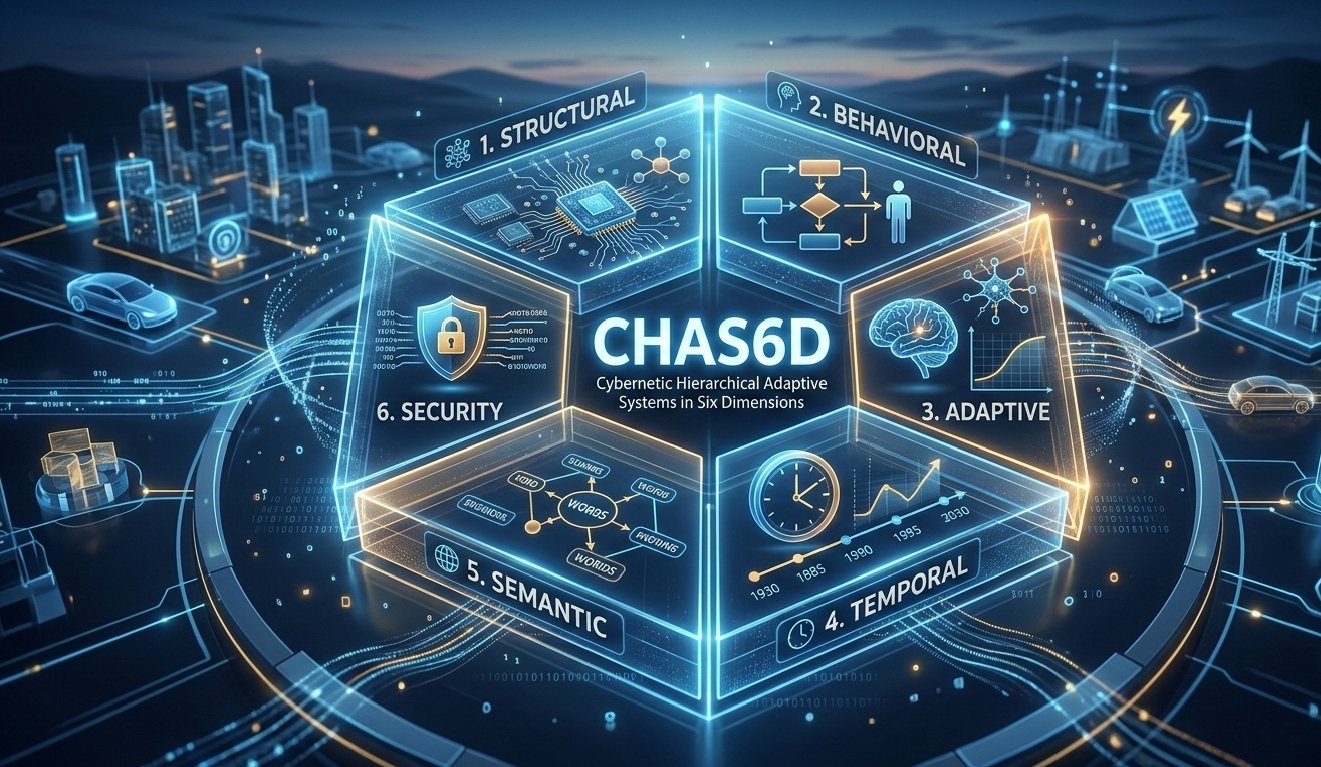
CHAS6D is a conceptual framework used to describe advanced digital system architecture based on six interconnected dimensions of operation. The idea is centered on improving system intelligence, responsiveness, and efficiency.
Traditional digital systems operate mostly in linear or limited multi-layer structures. However, modern technological demands require systems that can learn, adapt, and self-optimize. CHAS6D aims to provide a model where software and hardware components interact dynamically across multiple functional layers.
The six dimensions generally represent different operational aspects such as data processing, security, adaptability, intelligence integration, performance optimization, and environmental interaction.
The main goal of CHAS6D is to create systems capable of long-term autonomous functioning with minimal manual intervention.
Core Principles of CHAS6D
1. Adaptive System Behavior
One of the most important features of CHAS6D is adaptability. Future digital systems must respond automatically to changing conditions.
Adaptive behavior allows software platforms to modify their operations based on:
- User behavior patterns
- Network performance changes
- Security risk detection
- Resource availability
This helps improve efficiency and reduces system failure risks.
2. Intelligent Data Processing
Modern applications generate massive amounts of data every second. CHAS6D promotes intelligent data management by integrating learning algorithms and predictive analytics.
Instead of simply storing data, systems are designed to:
- Analyze information in real time
- Identify patterns automatically
- Generate operational predictions
- Support decision-making processes
Such capabilities are highly important for cloud computing and artificial intelligence applications.
3. Security Integration
Cybersecurity is a critical concern in today’s digital world. CHAS6D emphasizes built-in security layers rather than external protection only.
Security within the framework includes:
- Continuous threat monitoring
- Behavioral anomaly detection
- Automated response mechanisms
- Data encryption optimization
This approach helps protect digital infrastructure from evolving cyber threats.
4. Performance Optimization
High performance is essential for large-scale digital platforms. CHAS6D focuses on optimizing resource usage such as:
- CPU processing power
- Memory allocation
- Network bandwidth utilization
- Energy consumption efficiency
Optimization ensures smooth system operation even under heavy workloads.
5. Environmental Interaction
Future technology is expected to interact more intelligently with physical and virtual environments.
Environmental awareness in CHAS6D may include:
- Smart sensor integration
- Internet-connected device communication
- Context-based system responses
- Autonomous infrastructure management
This principle is especially useful in smart city development and industrial automation.
6. Self-Learning Capability
Self-learning systems are becoming a major part of modern technology. CHAS6D supports machine learning integration where systems improve performance over time.
Self-learning mechanisms help software platforms:
- Adjust algorithms automatically
- Improve prediction accuracy
- Reduce operational errors
- Enhance user experience
Role of CHAS6D in Future Digital Systems
Artificial Intelligence Development
Artificial intelligence will continue to shape technology in the coming decades. CHAS6D provides a structural approach to integrating AI into core system operations.
Future AI systems may become more autonomous, capable of performing complex tasks without constant human control.
Cloud Computing Advancement
Cloud infrastructure is expanding rapidly. CHAS6D can help improve cloud system architecture by supporting distributed processing and intelligent workload management.
This may lead to faster services, better storage solutions, and more reliable global connectivity.
Internet of Things Expansion
The Internet of Things connects billions of devices worldwide. CHAS6D supports large-scale device communication networks.
Smart homes, industrial monitoring systems, and healthcare devices can benefit from this model.
Cybersecurity Improvement
Cyber attacks are becoming more sophisticated. CHAS6D’s multi-layer protection philosophy can help organizations build stronger digital defense systems.
Automated threat detection and response systems are expected to play a major role in future security frameworks.
Business Technology Transformation
Companies are moving toward digital automation. CHAS6D can help businesses:
- Improve customer service systems
- Optimize operational workflows
- Analyze market behavior
- Reduce operational costs
Digital transformation will likely depend on such advanced frameworks.
Advantages of CHAS6D Concept
The potential advantages of CHAS6D include:
- Better system reliability
- Faster information processing
- Enhanced security protection
- Reduced human workload
- Improved decision intelligence
- Long-term operational stability
- Efficient resource management
These benefits make it attractive for next-generation computing design.
Challenges of Implementation
Despite its advantages, CHAS6D also faces some challenges.
Technical Complexity
Developing multidimensional intelligent systems requires advanced engineering knowledge and computing resources.
Cost of Development
Implementing such frameworks may be expensive, especially for small organizations.
Data Privacy Concerns
As systems become more intelligent, protecting user data becomes increasingly important.
Skill Requirements
Engineers and developers must learn new technologies and architectural models.
Future Potential of CHAS6D
The future of digital technology is likely to move toward autonomous, intelligent, and self-managing systems. CHAS6D may play a role in:
- Advanced robotics
- Smart healthcare technology
- Autonomous transportation
- Global information networks
- Next-generation cybersecurity systems
As computing power increases, frameworks like CHAS6D could become fundamental design principles.
Conclusion
CHAS6D represents a modern vision for future digital system architecture. By combining adaptability, intelligence, security, and multidimensional processing, it aims to support the next stage of technological evolution.
Although still a developing concept, CHAS6D reflects the direction in which technology is moving. As artificial intelligence, cloud computing, and automation continue to grow, such frameworks may become essential for building efficient and secure digital environments.
The future of technology will likely depend on systems that can think, learn, and adapt. CHAS6D offers one possible pathway toward that future.




Post Comment